Georgia panel advances bill to ban 'electronic tinting' and curb digital license-plate evasion

Georgia House Committee on Motor Vehicles · February 3, 2026

Get AI-powered insights, summaries, and transcripts

Subscribe
AI-Generated Content: All content on this page was generated by AI to highlight key points from the meeting. For complete details and context, we recommend watching the full video. so we can fix them.

Summary

The House Motor Vehicles Committee approved HB 1022 on a voice vote to prohibit electronically controlled window tinting and unauthorized digital license plates, citing officer and public safety; the Department of Public Safety would enforce the measure and misdemeanor fines would apply.

A Georgia House committee approved legislation Wednesday that would bar motorists from using so-called "electronic tinting" to change window darkness and would restrict digital or electronic license-plate displays.

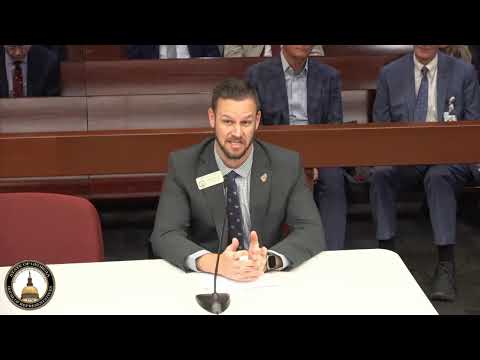
The Motor Vehicles Committee passed House Bill 1022 on a voice vote after the sponsor argued the measure is about officer and public safety and preventing the use of technology to evade observation during traffic stops.

Supporters told the committee that recent technologies allow drivers to switch window tint or alter a plate display with a button or an app, leaving officers unable to verify what they saw from the roadside. The bill defines electronic tinting as material that uses an electrical current to change light reflectance or transmission and explicitly prohibits such technology on front windshields, rear windshields, side windows and door windows beyond the levels currently authorized by law. The measure also bars covering a license plate with electronic tint and prohibits displaying temporary or permanent tags that are not state-issued, including digital plates intended to resemble Georgia plates.

HB 1022 authorizes the Department of Public Safety to adopt rules needed to enforce the new provisions. The sponsor told the committee certain violations would be misdemeanors, with first-offense fines of up to $500 and higher penalties of up to $1,000 for repeat offenses. The bill retains officers’ existing tools for assessing window darkness, including window-tint detection devices, and leaves some enforcement discretion with officers.

Committee members questioned whether the bill would hold manufacturers liable, how previously authorized digital-plate pilots (discussed in 2019–2020) would be affected and whether there are data showing how often the new electronic features are being used. The sponsor and department representatives said the bill is intended to address an emerging technology and that tracking has only just begun; they acknowledged they did not have statewide incident counts available to the committee.

Members also raised concerns about medical exemptions for tinted windows; the sponsor said the bill does not change existing law on medical letters or other current exemptions but prohibits electronic tint that can be switched from very dark to clear on demand.

With no roll-call tally recorded on the transcript, the committee approved HB 1022 by voice vote and moved the bill forward.