
Hearing on HB 1002 spotlights foster-care medical-management concerns and possible move from managed care
Get AI-powered insights, summaries, and transcripts
Sign Up Free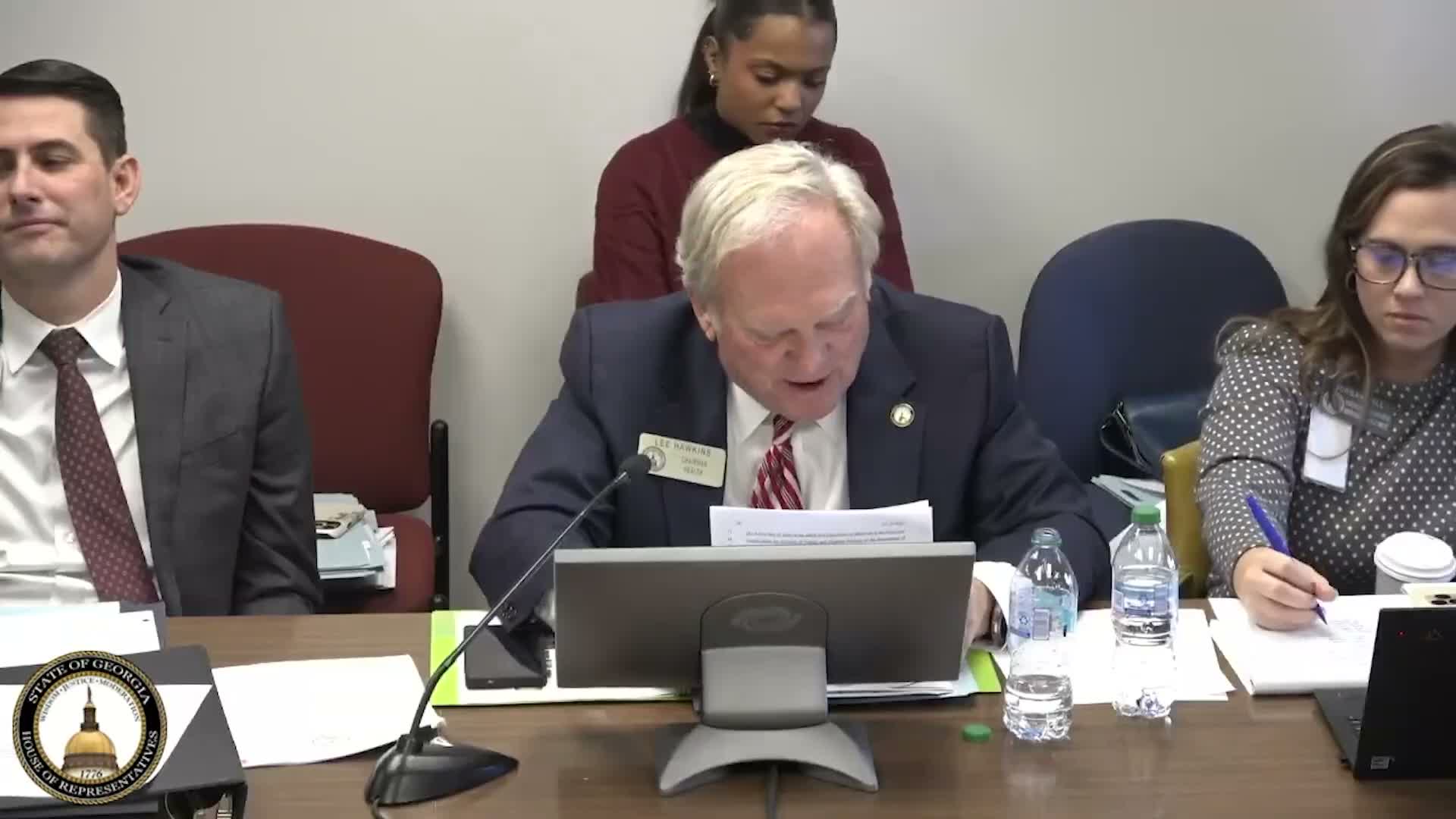
Summary
Representative Camp introduced HB 1002 to change how medical services for children in foster care are managed; speakers, including former legislator and foster parent Mike Dudgeon, argued managed-care contractors have struggled with authorizations and continuity and urged exploring fee-for-service options pending a fiscal note.
Lawmakers held a hearing on HB 1002, a bill introduced by Representative Camp that would change how medical services for children in foster care are managed, potentially moving some services away from managed-care contractors toward state-managed or fee-for-service arrangements when contracts expire or are renewed.
Representative Camp said the proposal grew out of prior joint hearings and constituent reports that managed care sometimes makes access to care more challenging for foster children, who often have complex needs and frequent placement changes. "When those children or adults are in crisis, they have to have immediate care," Camp told the committee.
Mike Dudgeon, a former legislator and current foster parent, testified that managed-care arrangements for foster children have repeatedly produced disputes over authorizations and denials of services. Drawing on both personal experience and prior budget analysis, Dudgeon said managed care can leave foster parents fighting to get necessary therapy and medical services and described instances where he and his family paid privately after losing administrative appeals. "For this population, it doesn't really work," Dudgeon said, urging the committee to consider models that reduce administrative barriers.
Members questioned potential fiscal and operational impacts, including whether moving to fee-for-service would increase costs and whether it would make it harder to find providers who accept Medicaid. Dudgeon said fee-for-service could broaden the pool of available providers and reduce battles with managed-care organizations, but he acknowledged a fiscal note is needed; committee staff and members requested that fiscal analysis. The committee did not vote on the bill at the hearing.
What comes next: The committee requested a fiscal note and additional technical information before further action.