
Subcommittee tables proposal to limit therapy chatbots, citing scope and penalty concerns
Get AI-powered insights, summaries, and transcripts
Subscribe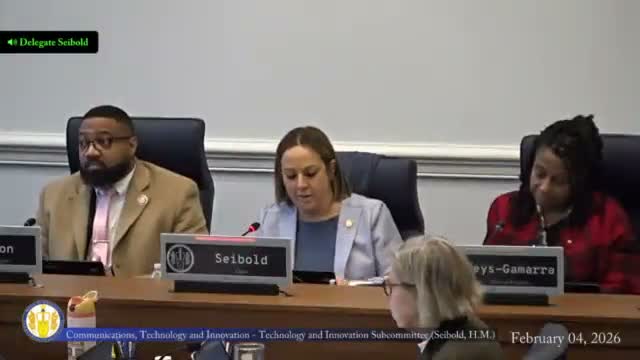
Summary
A bill limiting use of AI therapy/chatbots in clinical practice—allowing AI in supportive roles but restricting independent diagnoses—was laid on the table 6–4 after mixed testimony from clinicians, industry, and advocates.
A substitute bill that would regulate the use of AI chatbots in mental‑health practice was laid on the table by a 6–4 vote after testimony from clinicians, industry groups and the patron.
Delegate Maldonado said the bill does not ban AI but requires licensed mental‑health professionals to retain the role of diagnosing and treating patients, permitting AI for administrative or supportive tasks only. She argued licensed professionals receive training and are subject to licensure requirements that technology cannot replicate.
Clinical groups including the Virginia Academy of Clinical Psychologists, the National Association of Social Workers (Virginia chapter), and the Medical Society of Virginia testified in favor of the substitute, saying the measure protects patients and preserves the clinician‑patient relationship. Mariah Fitzhugh of the Virginia Academy emphasized that AI systems are not licensed clinicians and should not replace diagnosis or treatment.
Teladoc Health also spoke in support of oversight and clinician accountability, saying AI should operate under licensed provider direction.
Industry and some members raised concerns about penalties, definitional clarity and whether current law and enforcement mechanisms are sufficient. After discussion, a motion to lay the bill on the table was approved 6–4. The patron thanked members and said she would continue stakeholder engagement.
The bill may be revised further and returned for additional consideration if sponsors and stakeholders can resolve outstanding jurisdictional or penalty issues.