
Coalition urges Vermont Senate to link land use, EV incentives and steady funding to protect transit and active transportation
Get AI-powered insights, summaries, and transcripts
Subscribe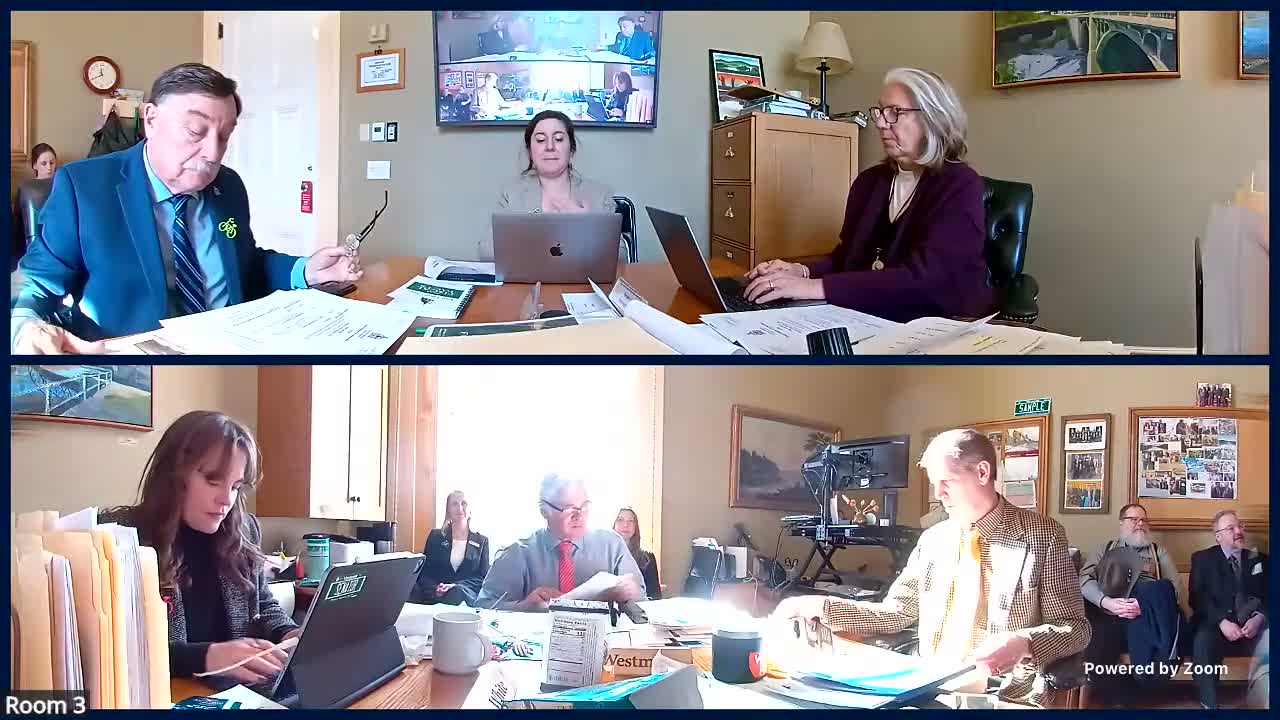
Summary
Transportation for Vermonters told the Senate Transportation Committee that compact land-use planning, VMT targets, targeted EV and e-bike incentives, and stable funding (including shifting Transportation Alternatives Program dollars toward walking and biking) are needed to reduce emissions and improve equity, especially in rural Vermont.
Katie Gallagher, who directs the Sustainable Communities program at Vermont Natural Resources and facilitates the Transportation for Vermonters coalition, urged the Senate Transportation Committee on Feb. 3 to align land-use planning, vehicle-mileage targets and program funding to make transportation more affordable and equitable across Vermont.
"Transportation is the highest source of our greenhouse-gas emissions, about 40%," Gallagher said in testimony, and she tied that figure to household affordability, rural access gaps and health consequences. Gallagher summarized the coalition's priorities for the year: coordinate land use and housing planning to support transit and sidewalks; set a VMT (vehicle-miles-traveled) reduction goal; continue and refine electric-vehicle and e-bike incentive programs targeting lower-income Vermonters; adopt a narrowly focused right-to-charge policy for condominium and homeowner associations; and secure sustainable, long-term transportation revenue.
The coalition highlighted that compact development under recent land-use initiatives can support more cost-effective transportation infrastructure. Gallagher referenced past studies, including a smart-growth study released within the last two years, and said some previous VMT targets aimed at 2025 have not been met.
On electric vehicles, Gallagher urged continuing mileage-based and e-bike incentives, noting those programs have helped lower-income residents access clean transportation. She also described a proposed "right to charge" measure tailored to residents in condominiums and homeowners associations who currently lack reliable access to charging infrastructure.
Gallagher pressed for stable funding for biking, walking and transit programs and proposed changing the Transportation Alternatives Program split from its current 50/50 allocation between active-transportation projects and environmental mitigation to an 80/20 split favoring active transportation. "When we are changing how much we are funding these programs year after year, it is really challenging for those to be counted on or relied on for people to plan ahead," she said.
Christina Erickson, executive director of Local Motion, described how earlier dedicated funding from VTrans supported regional Safe Routes to School coordinators who ran encouragement events (bike-to-school days, walk-to-school days) and coordinated with schools and public works on infrastructure like sidewalks and crosswalks. "Without that funding currently, we don't have those regional coordinators," Erickson said, adding that Local Motion still runs limited programs in Chittenden County with local planning-commission support.
Committee members acknowledged the budget pressure facing the transportation budget. The committee chair noted a reported $35,000,000 hold affecting transportation funds and asked for concrete examples of Safe Routes projects. A committee member identified in the transcript as "Cindy" urged earlier integration of transit providers in development review to avoid placing new housing on routes that may later be cut.
Gallagher warned the committee that cuts to urban and rural transit are already occurring and that restoring service after reductions is difficult. She urged the Legislature to identify viable long-term revenue replacements as gas-tax revenues decline.
The committee thanked the presenters and ended the session so some members could leave for lunch.