Sen. McKinney proposes Public Housing Preservation Trust to replace aging units; housing agencies urge collaboration
Summary
LB 10‑45 would establish a Nebraska Public Housing Preservation Trust to mobilize voucher‑backed bonds, municipal contributions and philanthropy to preserve and rehabilitate aging public housing; housing authorities support the goal but warned the bill lacks practitioner input and could create duplicative state oversight.
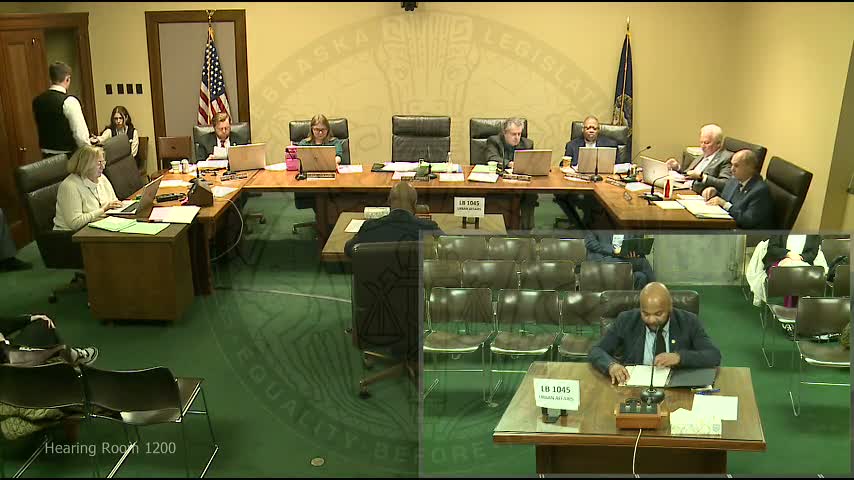
Senator Terrell McKinney told the committee LB 10‑45 would create a Nebraska Public Housing Preservation Trust to provide a dedicated financing vehicle for preserving and rehabilitating existing public housing stock. The trust would be authorized to issue bonds backed by project‑based federal vouchers, municipal or county contributions and donations to a capital stabilization fund, and would include reporting and oversight safeguards intended to prevent displacement.
Supporters including advocacy group Together said the state faces a large backlog of capital needs and that coordinated state action and flexible financing tools can preserve affordable units that are otherwise at risk. They argued the trust could help leverage federal grants and philanthropic match to address large rehabilitation projects before units are lost.
Public housing professionals and local housing authorities — including Lincoln and Norfolk directors and the Nebraska Housing Developers Association — urged the Legislature to convene a working group and coordinate through existing structures such as the Nebraska Department of Economic Development's programs and state financing intermediaries (NYFA), and warned that the bill created a new state governance entity and bonding mechanism without clear practitioner input. They warned the structure could add administrative burden, and said most local housing authorities are small rural agencies with limited staff that already comply with HUD regulation.
Senator McKinney said the trust is intended to be voluntary for local housing agencies — those that "wish to participate" would enter agreements — and that the trust can accept philanthropic donations and other funding sources. He said the proposal is a starting point to drive conversation about preservation funding options.