
Panel backs bill to bolster hiring checks after allegations of staff misconduct
Get AI-powered insights, summaries, and transcripts
Subscribe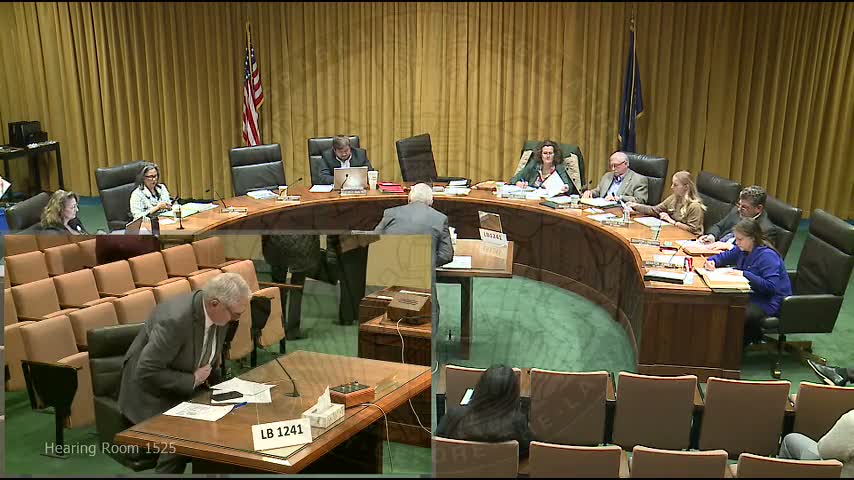
Summary
LB 12‑41 would require school job applicants to disclose prior employers and authorize release of records about substantiated or pending allegations of abuse, aiming to prevent rehiring staff who left under investigation. Supporters urged the change after recent local cases; schools warned about implementation details.
Senator Dave Murman introduced LB 12‑41, a proposal meant to discourage a practice described as "passing the trash" — where an employee facing allegations resigns and obtains a new position elsewhere. The bill would require applicants for positions that involve direct contact with children to list prior employers from the last 20 years and provide authorization allowing former employers to disclose substantiated or pending allegations related to abuse or misconduct.
Supporters included parents and school leaders who cited recent local prosecutions and a high‑profile case in the region in which an employee with prior disciplinary history later faced criminal charges while working in a school setting. Loan Eby, a parent in Papillion, urged broader checks on certification and called for additional NDE reporting and cross‑verification.
Representatives of private schools and districts supported the policy intent but asked the committee to consider implementation burdens, response timelines from former employers, and provisional hiring rules for critical vacancies. The sponsor said he is willing to refine definitions and timelines so the process is workable for rural and small districts while preserving student safety.
No vote was taken at the hearing; members signaled interest in technical amendments to clarify the employer‑response window, provisional hiring conditions, and protections for accurate but incomplete records.