
Nebraska hearing examines bill to stop state funds for low‑earning college programs
Get AI-powered insights, summaries, and transcripts
Subscribe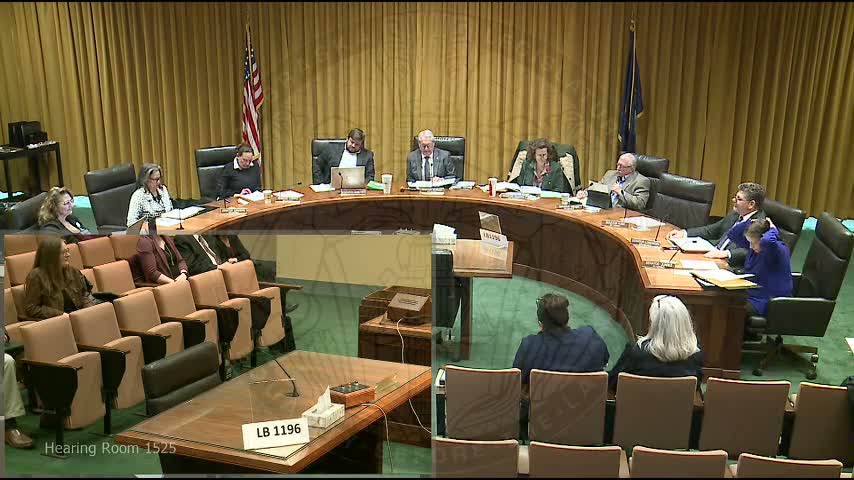
Summary
Lawmakers heard competing views on LB 11‑96, which would mirror a new federal earnings test and bar state tax dollars from subsidizing postsecondary programs whose graduates earn less than comparable peers. Proponents said it protects students and taxpayers; university and college leaders warned it could force costly, premature program disruptions.
Senator Tanya Storer introduced LB 11‑96 on the Education Committee floor, saying the measure would align Nebraska law with a new federal earnings test that compares program graduates’ median earnings four years after completion and removes federal loan eligibility for programs that fail the test in two of three consecutive years. "Very simply put, LB 11‑96 prohibits higher education institutions in Nebraska from using state or local funds to support a low‑earning postsecondary program, as determined by a new federal earnings test to determine student loan eligibility," Storer said in her opening remarks.
The bill’s sponsor and supporters argued the change is modest and targeted. Mimi Green of FGA Action told the committee that preliminary federal data suggest only a small number of Nebraska programs — largely certificated programs in cosmetology and massage therapy — are at risk. "LB 11‑96 builds on this reform by further ensuring no state or local taxpayer funds subsidize programs that failed the new earnings test," Green said, adding that institutions would have two years to improve outcomes before state or federal aid would be cut.
Opponents warned the committee the bill could have harmful practical effects if state action outpaced federal process. Matt Blomstedt, associate vice president for government relations at the University of Nebraska, said federal rulemaking includes notification, data review and an appeals process and that immediate state funding losses could imperil institutions’ ability to complete teach‑outs and meet accreditation obligations. "Our primary concern with LB 11‑96 is how the bill would operate in relation to existing federal requirements and what that interaction could mean for students who are already enrolled in effective programs," Blomstedt told lawmakers.
Community college representatives echoed those concerns and highlighted regional labor‑market differences. Courtney Whitstruck of the Nebraska Community College Association said nationwide earnings comparisons can undercount long‑term career ladders and rural workforce needs, and cautioned against losing pipeline programs that begin with modest wages but lead to advancement.
Storer and witnesses repeatedly noted safeguards in the federal framework — annual updates, institution‑specific calculations and appeals — and the committee asked for technical clarifications. Committee members pressed for a written list of the programs the federal data mark as at risk and asked whether teacher preparation, early‑childhood, or health‑career pathways might be affected. Storer said she would provide the committee the list and remain open to language that aligns state timelines with federal appeals.
The committee did not vote on the bill at the hearing. The next steps suggested by several testifiers were amendments to clarify alignment with federal appeals and to define how state decisions would interact with institutions’ teach‑out obligations.