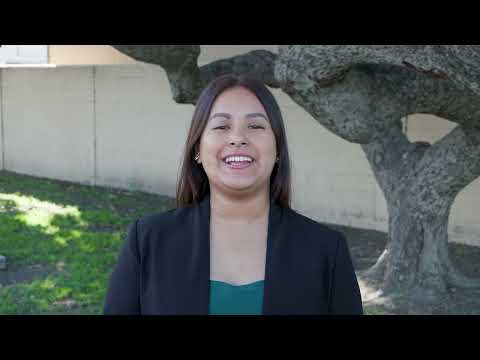
Four cows rescued from Pico Rivera slaughterhouse now live at Farm Sanctuary in Acton
Loading...
Summary
A Pico Rivera News special profiles Farm Sanctuary in Acton, where four cows connected to a Pico Rivera slaughterhouse now live after rescues that involved activists and actor Joaquin Phoenix; the piece also summarizes the sanctuary's mission, operations and programs.
Farm Sanctuary in Acton, California, provides permanent refuge for four cows connected to rescues at a Pico Rivera slaughterhouse, the sanctuary's president told Pico Rivera News. Gene Bauer said the animals 'including two named Liberty and Indigo'were brought to the sanctuary after activists and actor Joaquin Phoenix arranged their removal.
The story matters because it links a local welfare incident in Pico Rivera to broader animal-rescue work and public education at Farm Sanctuary, which operates sites in both Acton and Watkins Glen, New York. Bauer said the sanctuary cares for nearly 500 animals across its two locations and focuses on long-term rehabilitation and veterinary care.
"Most of the cows who live here, five, came from Pico Rivera, from Manning Beef ultimately," Bauer said, describing how rescues sometimes involve owners who agree not to kill mothers and calves. Bauer said Joaquin Phoenix visited the day after winning an Academy Award and helped bring two cows, later named Liberty and Indigo, to the sanctuary.
Bauer recounted a separate incident in which more than 40 cows escaped from the same slaughterhouse and ran through Pico Rivera; most were rounded up and returned to the facility, he said, but two animals named June and Susan were later found and placed at the sanctuary. "Once the animals come to Farm Sanctuary, they are guaranteed to live a full life, either here at the sanctuary or in an adoptive home," Bauer said.
The interview traces Farm Sanctuary's origins to 1986 and early grassroots fundraising. Bauer said the organization began after investigators documented animals left in dire conditions at farms and slaughterhouses; those early rescues led to the sanctuary's current model of lifelong care, public tours and education. Bauer described a longstanding relationship with communities tied to the Grateful Dead and recent visibility from celebrity visitors.
The sanctuary detailed aspects of its care and operations: animals often arrive stressed, receive individualized veterinary attention and may take time to acclimate, Bauer said. He noted challenges in finding veterinarians trained to treat farm animals as individuals rather than only at herd or industry scale. Bauer also described routine programs such as holiday feedings for turkeys and public tours on weekends.
Bauer used the interview to advocate for local food initiatives and plant-based diets, suggesting that community gardens, farmers markets and converting some lawns to food production could benefit communities like Pico Rivera. He also made broader claims about public-health and environmental impacts of diet and farming practices, including an estimate that shifting to a whole-food, plant-based diet could reduce health-care costs by about 70%. That figure was stated by Bauer in the interview and is presented here as his claim; it was not independently verified in the segment.
For residents interested in visiting or volunteering, Bauer pointed to the sanctuary's website, farmsanctuary.org, and said the Acton site offers public tours on Saturdays and Sundays and private tours on Fridays. Pico Rivera News thanked Farm Sanctuary and Bauer for the interview and for hosting the visit.
The segment included direct recollections from Bauer about the animals and rescues and closed with the host signing off for Pico Rivera News.