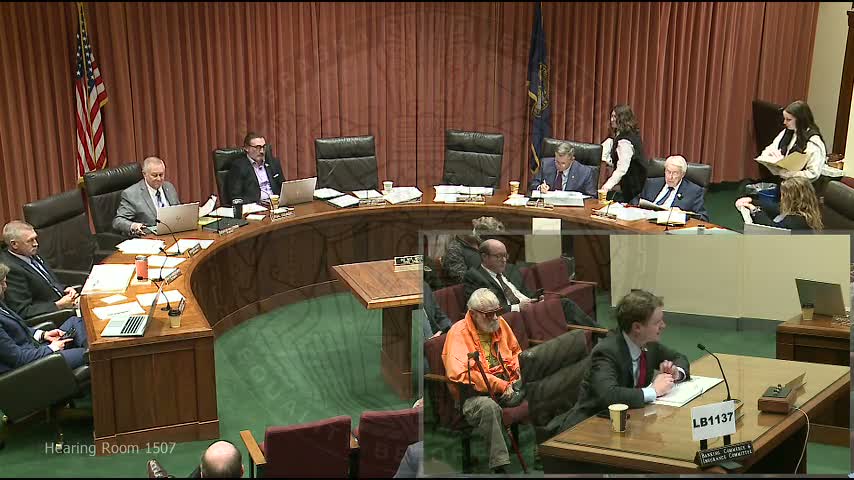
Heated public hearing on bill to ban pre‑litigation post‑loss assignment of benefits for contractors

Banking, Commerce and Insurance Committee · February 3, 2026

Get AI-powered insights, summaries, and transcripts

Subscribe
AI-Generated Content: All content on this page was generated by AI to highlight key points from the meeting. For complete details and context, we recommend watching the full video. so we can fix them.

Summary

Senator Beau Ballard’s LB1137 would void post‑loss assignment of benefits (AOB) to residential contractors and update public adjuster law; insurers and trade groups backed a ban citing litigation and inflated claims, while many contractors, public adjusters and homeowners opposed it, saying assignments are a practical consumer protection and necessary tool when insurers underpay or ignore claims.

Senator Beau Ballard introduced LB1137 as a measure to ban post‑loss assignments of insurance benefits to residential contractors and to update public adjuster law to mirror NAIC and other states. Ballard argued that post‑loss assignments can strip homeowners of control of their claims, incentivize inflated claims, and drive litigation that raises premiums.

Supporters including the Nebraska Insurance Federation, FMNE Insurance, the Bankers Association, AARP‑aligned advocates, and several insurers testified that abusive AOB practices have led to a surge in lawsuits and claim inflation in other states, and that banning residential contractors from taking post‑loss AOBs would protect homeowners and reduce incentives for litigation. Robert Bell of the Insurance Federation said the federation favors an outright ban on residential contractors receiving AOBs to provide absolute clarity in the law.

Opponents — including dozens of residential contractors, public adjusters, roofing companies, and homeowners — argued the bill would strip homeowners of a practical tool to get repairs done when insurers underpay, ignore claims, or use third‑party desk adjusters who miss damage. Contractors and homeowners recounted long delays, denied scope items, and cases where assignment allowed contractors to pursue recovery on behalf of homeowners who lacked resources to hire a public adjuster or attorney.

Committee members pressed on specifics: whether the bill unintentionally prohibits contractor attendance in adjuster meetings, the scope of criminal penalties for fraud provisions, and whether narrower amendments (required disclosures, scope/price requirements, or stronger enforcement of existing public adjuster rules) could address abuse without an outright ban. Sponsor Ballard said he was open to working on language and amendments.

The hearing lasted several hours and included more than a dozen proponent and opponent witnesses, multiple homeowner accounts of disputes, contractor testimony about field realities and adjuster practices, and legal concerns about constitutionality, consumer choice, and enforcement. No committee vote occurred; senators signaled a willingness to negotiate working language.