Get Full Government Meeting Transcripts, Videos, & Alerts Forever!
Get email alerts on the Adu Housing topic
No spam. Unsubscribe anytime.
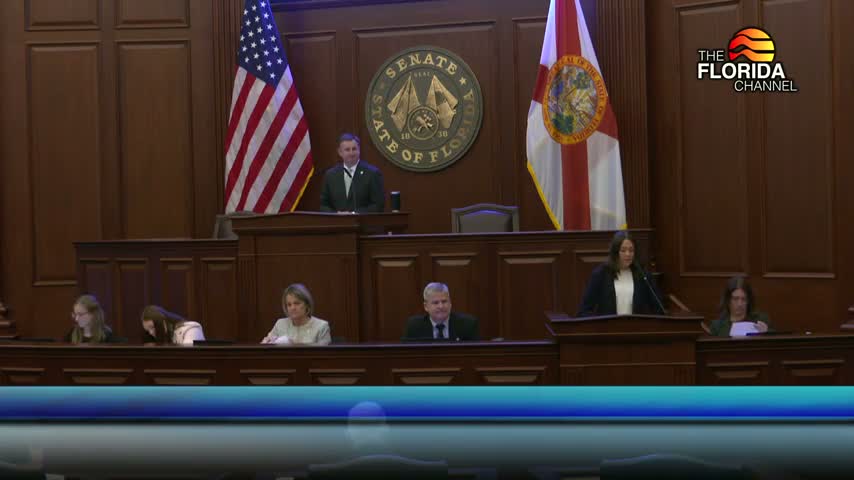
Senate unanimously approves bill to expand accessory dwelling units in Florida
Summary
Senate Bill 48, which requires local governments to allow voluntary accessory dwelling units (ADUs) and preserves homestead exemptions while limiting undue parking restrictions, passed the Florida Senate 38-0.
The Florida Senate passed Committee Substitute for Committee Substitute for Senate Bill 48, a housing bill that requires local governments to permit accessory dwelling units (ADUs) on residential lots, by a unanimous 38-0 vote.
Chair Don Gates explained the measure on the floor, saying, “This bill requires local governments to allow property owners to voluntarily create accessory dwelling units.” The bill defines an ADU as “a smaller independent fully functioning house located on the same lot as a stand alone home,” and preserves the owner’s homestead exemption for the portion where the owner maintains a permanent residence.
Under the bill, local governments may not impose undue parking restrictions on ADUs, though they retain authority over setbacks, construction standards, and permitting. An ADU lease or rental must be for 30 days or more. The bill also extends existing density-bonus incentives to make housing more affordable for military families receiving the basic housing allowance, a point Gates emphasized as a workforce-housing benefit.
After brief procedural motions to move the bill to third reading, the Reading Clerk announced the result: “38 yays, 0 nays, mister president,” and the presiding officer declared, “The bill passes.”
The measure passed on the Senate floor without recorded amendments during this session and was certified to the House as directed by a subsequent procedural motion.