Get Full Government Meeting Transcripts, Videos, & Alerts Forever!
Get email alerts on the Literacy Policy topic
No spam. Unsubscribe anytime.
Supporters ask Appropriations to extend regional literacy coaches through 2030 to follow cohort to third grade
Summary
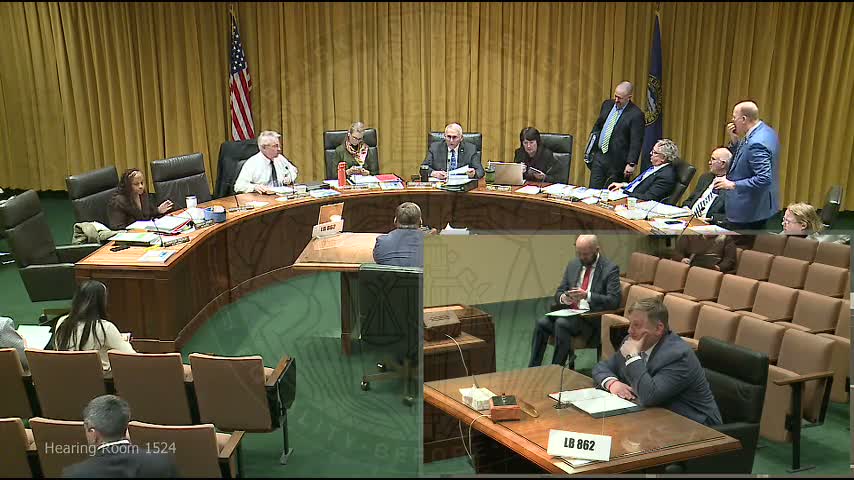
Proponents of LB 862 urged the Appropriations Committee to continue funding regional literacy coaches through 2030 so the cohort of four‑year‑olds receiving coaching can be followed to third grade; ESU coaches and NDE said the work builds district capacity and sustainable practices tied to the science of reading.
Senator Jason Prokop opened LB 862, which would extend funding authority for regional literacy coaches to 2030 to allow cohorts of early learners to be followed through third grade. Prokop said the measure does not create a new program or ask for new funding but aligns statutory responsibility and spending authority to continue work begun in 2024.
Lane Carr of the Nebraska Department of Education described statewide strategic plans prioritizing early literacy and noted trustees and ESUs have partnered to place phase‑one coaches in regions. Regional coach Claudine Kennecut (ESU 10) testified about classroom‑level supports: coaches work with building and district literacy leaders, provide professional learning and use instructional practice guides and walk‑through data to steer instruction and interventions.
ESU Coordinating Council CEO LarryAnn Polk and other proponents asked the committee to extend funding so the expectation in statute (regional literacy coaching through age 4 to grade 3) does not become an unfunded mandate once current funding expires. Polk explained that following a cohort from age 4 through third grade requires maintaining funding through 2030 to measure outcomes and sustain implementation.
Committee members asked about early qualitative and quantitative signals; coaches said preliminary instructional practice guide data show upward trends in classroom practices, while NDE is building a data framework to track student outcomes as implementation matures.
Next step: Committee will consider the statutory extension and weigh the department's evaluation and outcome metrics as the program scales to all 17 ESUs.