
State colleges and community colleges describe cash shortfalls, deferred maintenance backlog and program impacts
Get AI-powered insights, summaries, and transcripts
Subscribe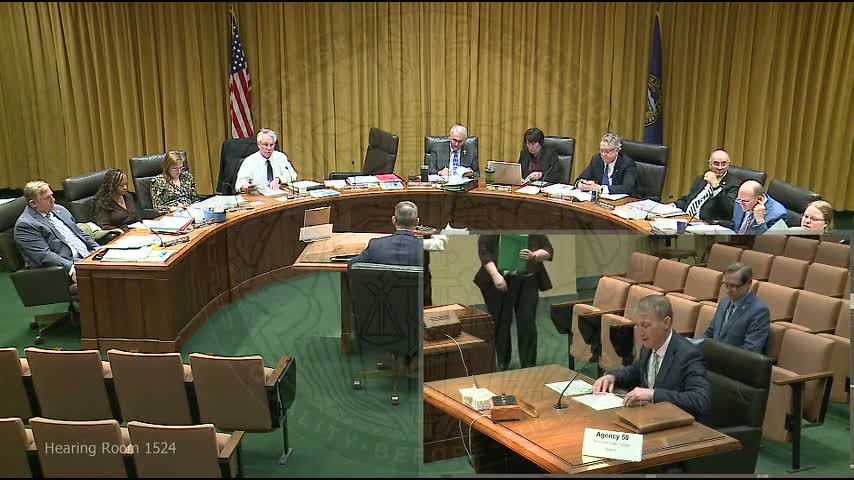
Summary
Leaders for the Nebraska State College System, community colleges and the coordinating commission described tuition posture, a growing deferred‑maintenance backlog, cash‑reserve constraints and program impacts from proposed mid‑biennium cuts, urging the committee to consider targeted support to avoid deeper tuition spikes or program reductions.
Officials from the Nebraska State College System and community colleges told the Appropriations Committee that structural shortfalls and a growing deferred‑maintenance backlog are stressing campuses across the state.
Paul Turman, chancellor of the state college system, said retention is at an all‑time high and that institutions have taken conservative approaches to tuition and budgeting; nevertheless, he said proposed biennial reductions and use of $4,000,000 in system cash to cover statewide shortfalls would produce recurring shortfalls at campuses and, compounded, could force substantial tuition increases. Turman described a deferred‑maintenance need he estimated at roughly $282 million this year (up from about $263 million last year) and said recurring investment is needed to move away from reactive maintenance.
Stephen Ottobey, vice chancellor for facilities, and the chancellor described specific capital‑repair examples (expensive boiler replacements) that drew down reserves and illustrated why institutions are drawing on cash to maintain operations and safety. Community college leaders — including Randy Schmaisel of Metropolitan Community College and Leah Barrett on behalf of the Nebraska Community College Association — detailed enrollment growth, dual‑enrollment impacts and workforce training roles, while cautioning that some funds in preliminary budgets are pending certification and subject to later adjustment.
The witnesses urged the committee to weigh the longer‑term costs of deferred maintenance and recruitment/retention efforts against short‑term budget balancing acts.
Next steps: Committee members asked for clarification on reserve thresholds, the composition of cash funds and how institutions prioritize capital projects; agencies said they would provide further detail to aid budget decisions.