
Father Alberto Reyes Pías: 'We are surviving with hunger,' priest tells Radio Martí about Cuba's crisis
Get AI-powered insights, summaries, and transcripts
Subscribe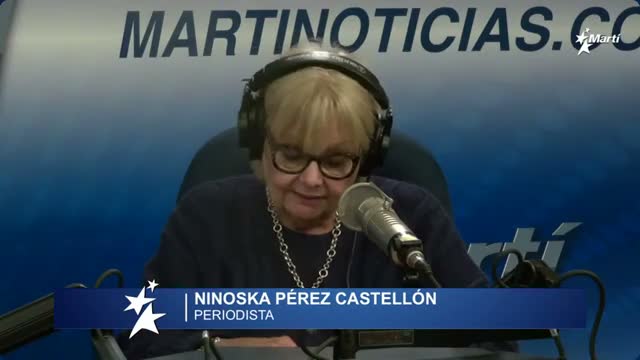
Summary
In a Radio Martí special from Miami, Father Alberto Reyes Pías described deep shortages, fear and a rising hope for change in Cuba; he urged spiritual and civic action while outlining the church's potential mediating role.
Father Alberto Reyes Pías, a Catholic priest who spoke from Miami on a Radio Martí special, described life in Cuba as marked by both acute hardship and growing hope for political change. "Prácticamente la ausencia de muchos medicamentos" (practically the absence of many medicines), he said, identifying medicine shortages and energy uncertainty as central problems that multiply public anxiety.
Reyes, introduced by host Ninoska Pérez Castellón, said the Cuban people live amid "muchísima incertidumbre" about the economy and energy and that, alongside fear, "hay un aumento muy significativo de la esperanza" that the country could enter a new phase. He repeatedly framed the moment as both fragile and full of opportunity: "un día a la vez," he said, urging incremental, sustained effort.
Asked about his published phrase "disociación psicótica" applied to the regime, Reyes elaborated that the government often rejects observable realities and constructs an alternate narrative. "Has construido una realidad; te has creído una realidad," he said, arguing that the regime either cannot see material suffering or fears acting to resolve it.
On the church's role, Reyes said clerical leaders can act as mediators and promoters of dialogue rather than policy-makers: "El papel de la iglesia es mediar interpartes," he said, referencing a recent episcopal pastoral letter. He suggested that the Vatican's historical use of mediation in international conflicts is a model the church could offer to help shape conversations in Cuba.
Reyes also addressed economic inequality and survival strategies inside Cuba. He described daily life for many Cubans as precarious: "Sobrevive con hambre, sobrevive con precariedad," he said, and noted that while some businesses and tourist-facing establishments serve expensive meals (hosts cited an example of a $114 steak at a restaurant linked to a public figure's family), many Cubans subsist on small stipends—hosts referenced a common monthly cheque of about 1,500 pesos.
On youth and migration, Reyes said young people will consider leaving while conditions remain dire but might stay if a credible path to a dignified life and democratic stability appears: "Si aquí hubiera un cambio, yo me quedo," he quoted people saying. The hosts cited a figure that 425,000 Cubans crossed routes such as Nicaragua in 2022–23, underscoring the scale of recent departures.
Reyes closed by urging prayer and personal engagement: "Que recen por nosotros" and asked listeners to consider what they can do "from here" to support truth and change. The interview ended with a blessing from Reyes and thanks from hosts Ninoska Pérez Castellón and Yanisé(tte) Rivero.
The segment combined first‑hand accounts of hardship with the priest's perspective on the church's potential mediating role and an appeal for spiritual and civic action; no formal proposals, votes or policy directives were announced during the program.