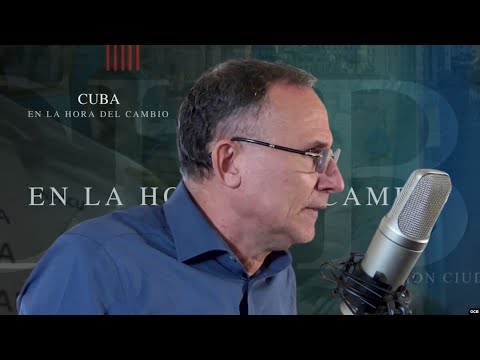
José Daniel Ferrer urges tighter pressure on Cuba, praises U.S. actions and criticizes regional leaders
Loading...
Summary
José Daniel Ferrer, speaking in Miami, praised recent U.S. measures aimed at limiting fuel to Cuba, criticized Mexican President Claudia Sheinbaum’s stated willingness to aid Havana, and highlighted a reported Cuban ship returning empty as evidence sanctions are having effect.
José Daniel Ferrer, introduced himself from the Museo Americano de la Vía Cubana in Miami and called on continued international pressure to cut fuel and other resources to the Cuban government. "El régimen cubano no sabe lo que está haciendo," Ferrer said, praising what he called "the most favorable" U.S. administration for Cuba and citing a recent executive order that he said designates the regime an "unusual and extraordinary" threat.
Ferrer described U.S. measures that would impose tariffs on nations or entities that sell or facilitate fuel for the Cuban government and said those penalties will depend on determinations by the U.S. Department of Commerce and the State Department. He said those steps are already having an effect: "un buque cubano que iba en busca de gas... tuvo que regresar vacío," a development he described as positive.
The opposition leader criticized regional officials who, he said, prioritize relations with Havana over Cuban citizens’ welfare. He singled out Mexican President Claudia Sheinbaum for continuing to supply or send humanitarian aid that, he alleged, benefits the regime rather than ordinary Cubans. Ferrer also referenced comments by other regional figures and said some governments had signaled willingness to cooperate with the United States on counterterrorism and narcotics — statements he called unreliable absent progress on political prisoners and human-rights conditions in Cuba.
Ferrer accused the Cuban government of diverting Venezuelan oil abroad while large parts of the island experienced daily power outages and argued resources routinely flow to repression: "Siempre hay combustible... para reprimir," he said. He contrasted this with reports of shortages in ambulance service, garbage collection and medical supplies for the general population.
Ferrer urged international actors to increase direct, non-regime-mediated humanitarian assistance, citing recent relief by the Catholic charity Caritas in eastern Cuba after Hurricane Melissa. He framed stronger sanctions and conditional aid as complementary: cut off sources of regime revenue while increasing direct support to vulnerable Cubans.
He closed by calling for sustained pressure on the Cuban government and continued solidarity with dissidents, framing such measures as necessary steps toward a transition that respects human rights and leads to democratic institutions. The program concluded with Ferrer urging unity between island and exile communities.