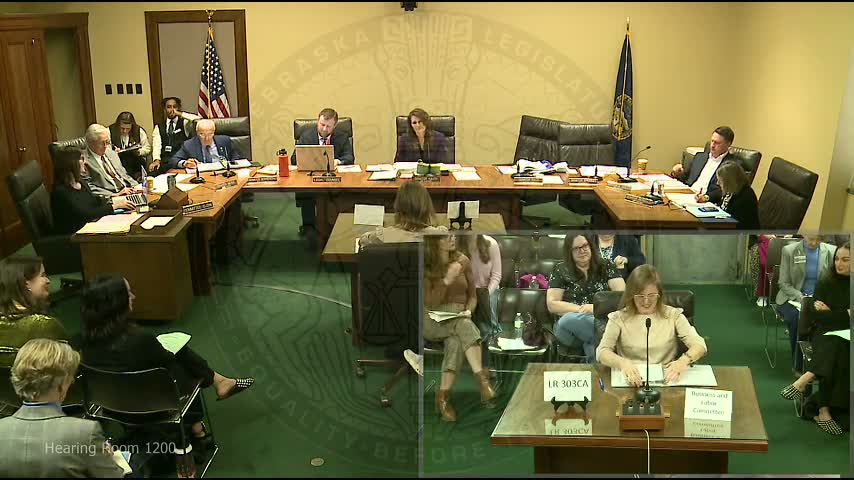
Senate committee hears dozens of voices for and against constitutional call for paid family and medical leave
Loading...
Summary
LR303CA would place a constitutional amendment question to voters to require paid family and medical leave (6 weeks by Oct. 2027, moving to 12 weeks by Oct. 2028). Supporters—educators, caregiving advocates, unions—cited health and retention benefits; business groups warned of costs to small employers and urged scalable funding models.
Sen. Makayla Cavanaugh presented LR303CA, a proposed constitutional amendment asking Nebraska voters whether the state should require paid family and medical leave phased in over time (6 weeks of paid leave by October 2027, increasing to 12 weeks by October 2028). The resolution intentionally leaves program design details to future legislatures while asking voters whether the principle should be enshrined in the state constitution.
Supporters told personal stories and cited research on health, retention, and economic benefits: educators and union representatives said unpaid FMLA leaves force families into financial hardship; AARP and child‑welfare groups described caregiving burdens and demographic pressures in rural counties. Testimony cited national studies linking paid leave to improved birth outcomes and reduced postpartum depression, and many speakers urged the committee to advance the resolution to allow voters to decide.
Opponents—trade associations representing grocery stores, petroleum marketers, and small businesses—warned a constitutional requirement could be inflexible, impose significant costs on small employers, and limit the legislature’s ability to tailor programs (for example by using employee‑only payroll deductions or employer/employee shared models used in other states). Committee members asked detailed questions about fiscal exposure, whether the resolution implies employers must pay directly, how part‑time employees would be treated, and how such a constitutional call would translate into implementing legislation and estimated costs for state payrolls and counties.
Sponsor Cavanaugh said the resolution’s purpose is to ask voters whether paid leave should be a statewide value and to direct future legislatures to design a workable program; she signaled openness to clearer legislative language about employer/employee share and size thresholds.
Next steps: Committee discussion focused on potential amendments to clarify employer size, funding models (employer vs. employee contributions, hybrid models), and timing for implementation if voters approve the constitutional call.