Senate committee hears push to recognize 911 dispatchers as first responders for workers' comp and trauma support
Loading...
Summary
LB744 would include public‑safety communications personnel — 911 operators and emergency dispatchers — among first responders for selected statutory protections (workers' compensation and critical incident stress management). Supporters cited PTSD and mental‑health studies; the committee asked for county fiscal data and clarification of scope.
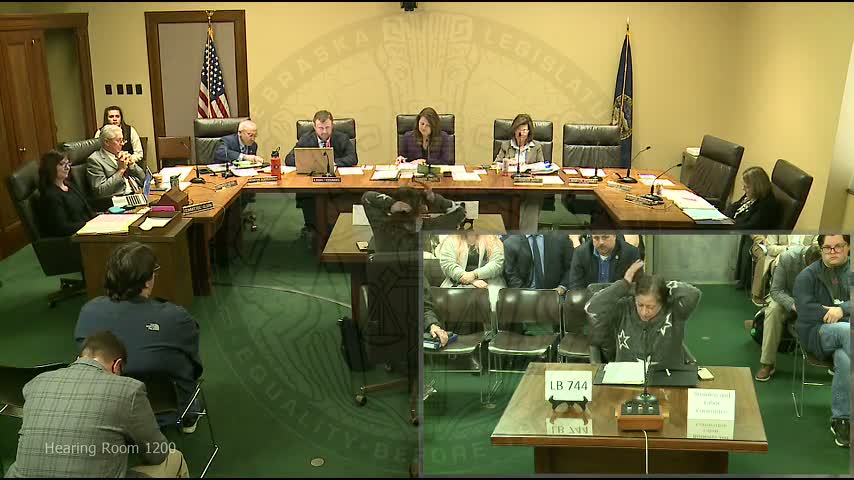
Sen. Margaux Juarez told the Business and Labor Committee LB744 aims to formally recognize public safety communications personnel — including 911 operators and emergency dispatchers — in provisions of the Nebraska Workers' Compensation Act and the Critical Incident Stress Management Act so they can access workers' comp and trauma services comparable to field first responders.
"These dedicated professionals are the first point of contact in any emergency," Juarez said in her opening. Union and public‑safety advocates reinforced that view: Anthony Strong (International Union of Operating Engineers Local 571) said dispatchers face levels of trauma and mental‑health risk that merit access to workers' compensation and critical incident stress management programs. He cited meta‑analyses and AHRQ findings included in hearing materials showing elevated rates of PTSD, depression, anxiety, and hazardous drinking among dispatchers.
APCO and NENA representatives, state employee unions, and trial attorney groups also supported the bill, saying dispatchers routinely take life‑saving, high‑stress calls and should have parity with field responders for mental‑health interventions and certain workers'‑compensation protections.
Committee members focused on scope and cost: senators asked whether the bill would apply only to state employees or also to county and municipal dispatchers, whether recognition would expand other benefits (Sen. Moroz asked specifically about tuition reimbursement), and whether existing training or peer‑support programs meant statutory inclusion was unnecessary. Senator Juarez emphasized the bill is intended to expand access to mental‑health services and not automatically expand all other benefits, and she acknowledged that the fiscal office had not solicited county data prior to the hearing, producing an incomplete fiscal note.
Next steps: the sponsor and proponents said they would provide additional county figures and seek to clarify the fiscal note and implementation details before the committee acts.