
Hard‑fought CACR15 hearing: supporters cite funding and tradition; opponents warn of vague language and litigation risk
Get AI-powered insights, summaries, and transcripts
Subscribe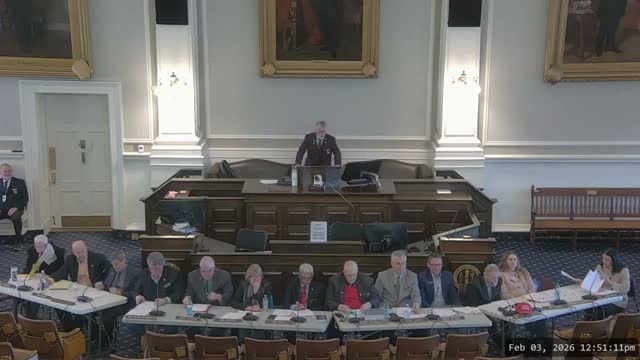
Summary
CACR15 would enshrine the right to hunt, fish and harvest game in the New Hampshire constitution and recognize hunting as a preferred tool for wildlife management. Supporters (sportsmen's groups, Fish and Game and many hunters) emphasized funding stability and conservation benefits; opponents (animal‑welfare groups, conservationists, and some residents) flagged vague wording, protections for trapping/hounding and the risk of costly litigation based on experiences in Maine.
Representative Donald MacFarlane opened the CACR15 public hearing by urging the committee to protect New Hampshire's user‑funded conservation model and the Fish and Game Department's authority. "About 98% of its funding comes from users, not taxpayers," MacFarlane said, arguing the amendment would preserve access to federal matching funds and the state’s wildlife‑management model.
Public testimony spanned several hours and reflected a deep split. Supporters included hunting and conservation organizations that stressed the North American model of wildlife conservation and the link between license revenue and federal matching grants. Fred Burt of the Congressional Sportsmen's Foundation said the amendment would protect funding and management authority; groups including the National Rifle Association, Safari Club International, the National Wild Turkey Federation and the New Hampshire Wildlife Federation voiced similar support.
Those opposing CACR15 raised several concerns. Voices for Wildlife and Humane World for Animals argued the amendment's phrasing—particularly references to "traditional methods" and a "right to harvest"—could enshrine trapping, hounding and baiting and make future regulation or modernization harder. Several speakers cited Maine as a cautionary example where recent constitutional language has triggered litigation over regulation. Christina Snyder and others testified that the amendment's phrasing is vague and could lead to expensive lawsuits that divert funds from conservation.
Colonel Kevin Jordan of Fish and Game summarized the commission's support, saying the department would continue its scientific, rule‑based management and that the amendment would help secure license sales that support the agency's work. He described the practical benefits Fish and Game provides — fisheries hatchery production, wildlife management areas, enforcement and species recovery programs — and argued license sales enable those services.
Committee members asked about property rights, whether the amendment would override seasons or bag limits (sponsors repeatedly answered it would not), and whether the wording could be used in court to challenge targeted regulations. Several witnesses urged caution in drafting to avoid broad, unintended legal exposure. The chair closed the hearing and said the committee will take executive action in a few weeks.