
County‑attorney investigators bill divides sheriffs, prosecutors and police over oversight and accountability
Get AI-powered insights, summaries, and transcripts
Sign Up Free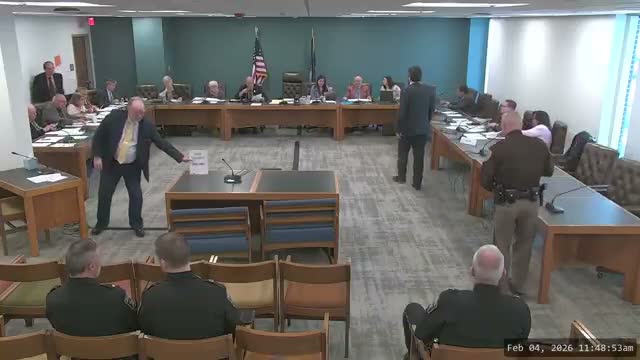
Summary
HB 1001 would let county attorneys appoint investigators with law‑enforcement authority (if certified or eligible). Proponents, including several county attorneys, said it bridges evidence gaps and augments small departments; sheriffs and police groups warned it risks conflicts, inconsistent oversight and liability. The bill drew wide testimony but no committee vote at this session.
Representative Bob Lynn introduced HB 1001 to authorize county attorneys, with county‑commissioner approval and available appropriations, to appoint investigators who possess or are eligible for police certification and statewide law‑enforcement authority. Proponents argued the change would let county attorneys retain investigators capable of closing evidentiary gaps and supporting prosecutions—particularly in smaller municipalities that lack experienced detectives.
Paul Halverson (Merrimack County Attorney) and other county prosecutors said the change would mirror the Attorney General's existing investigator statute, provide continuity for investigations, and help vulnerable victims by allowing trained investigators to perform follow‑up work quickly. Halverson told the committee the Attorney General's office already nominates statewide investigators under RSA 21‑M:3 and urged parity for county offices.
Sheriffs and police groups strongly opposed the bill. Sheriff Bill Wright, speaking for the New Hampshire Sheriff's Association, said HB 1001 would blur separation between prosecution and law enforcement, create a new and potentially unaccountable policing entity, and raise issues on internal affairs, training, certification, use of force, and NIBRS reporting. The Police Association and other witnesses warned of liability exposure, accreditation concerns and the potential for inconsistent hiring and discipline practices across counties.
Several committee members asked whether existing memoranda of understanding between sheriffs and county attorneys could address operational needs; sheriffs said MOUs remain an option but have not always resolved supervision and accountability concerns. County attorneys responded that practice varies across counties and that HB 1001 would create a uniform legal foundation for appointing certified investigators in offices that choose to do so.
The committee heard extensive back‑and‑forth and took no final vote during the session; members indicated additional drafting and safeguards would be needed to address oversight, certification, and indemnity questions before the bill moved forward.