Charlottesville Council Condemns Federal Immigration Tactics, Adopts Resolution Urging Transparency and Due Process
Loading...
Summary
The City Council unanimously adopted a resolution condemning federal immigration-enforcement tactics that the city says endanger life and erode public trust, and directed staff to send letters to federal and state elected officials and issue guidance to city employees on how to handle requests from federal agents.
Charlottesville City Council on Monday adopted a resolution condemning recent federal immigration-enforcement actions that the city said have led to serious injury and loss of life and eroded community trust. The council voted by voice to approve the measure after brief remarks from members and extended public comment from residents.
The resolution, read aloud by Mayor Wade, affirms the city's commitment to constitutional protections, equal treatment under the law and humane treatment for all individuals in Charlottesville. It states that tactics such as concealing an official's identity, using unmarked vehicles, or engaging in confrontational tactics can create an unreasonable risk of violent escalation and undermine public confidence.
"Charlottesville mourns the loss of life caused by recent immigration enforcement actions. The city unequivocally condemns any enforcement tactics that needlessly endanger human life, disregard basic dignity, and erode the rule of law," the resolution states, as read by the mayor.
Vice Mayor Ochsran and Councilor Michael framed the item as both a statement of values and the start of further local actions. Ochsran emphasized legal limits on what a city can do and said the council wanted to avoid overpromising while still using its platform to push for accountability. Michael called the resolution "a bare minimum" and urged ongoing coalition-building with impacted communities.
City staff outlined two immediate follow-ups: (1) a letter to the city’s congressional delegation and state officials requesting legislative or oversight action, and (2) written guidance for city employees on how to handle interactions with federal agents. City staff said the guidance directs employees to obtain copies of warrants or subpoenas and route such documents to legal counsel rather than attempting to interpret legal authority at the front desk.
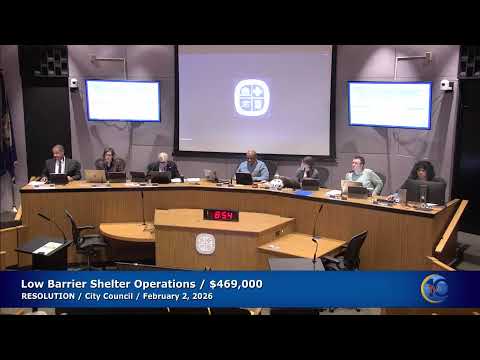
A councilor moved to approve the resolution; another seconded and the mayor called for a voice vote. The motion passed and the council directed the mayor and staff to send the letters and publicize the staff guidance.
The resolution also makes clear that immigration enforcement is a federal responsibility and that the city does not claim authority to regulate federal agencies. Instead, it urges transparency, independent investigation of incidents involving use of force where permitted by law, and immediate reevaluation of tactics that obscure identity or rely on force rather than clear legal process.
The council’s action follows extensive public comment during which residents described local and national concerns about enforcement tactics, called for protection of civil rights, and urged the city to work with partner localities and state officials.