Get Full Government Meeting Transcripts, Videos, & Alerts Forever!
Get email alerts on the Vacant Building Ordinance topic
No spam. Unsubscribe anytime.
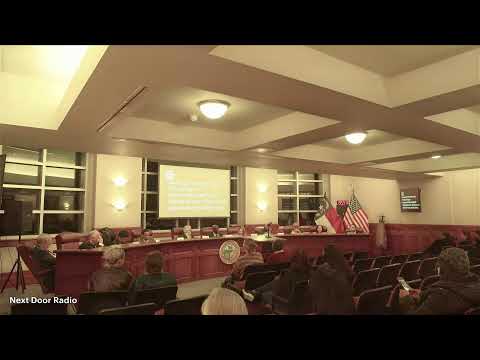
Oxford keeps $1,000 annual fee in new vacant‑building ordinance after heated debate
Summary
After extended debate, the Oxford Board of Commissioners adopted a vacant‑building ordinance tied to a $1,000 annual registration fee; an amendment to lower the fee to $500 failed on a divided vote. The board said the ordinance aims to reduce blight and safety hazards.
The Oxford Board of Commissioners voted to adopt a vacant‑building ordinance on Jan. 13, retaining a $1,000 annual registration fee that staff and several commissioners said is needed to spur owners to maintain properties.
Supporters framed the fee as an incentive to compel action on long‑neglected structures that have become safety hazards. “Some of these buildings will not pass an inspection if an inspector had to go in and look,” a commissioner said during debate, urging a deterrent level for the fee.
Commissioner Quan Bridges and Commissioner Carlos Velez moved and seconded a motion to reduce the fee to $500. Bridges argued the city should also explore whether vacant buildings could be repurposed for sheltering unhoused residents, saying, “it isn’t it interesting we’re talking about empty buildings…and maybe approaching some of these owners to see if that might be something we could use to provide places for homeless.” That motion failed; the board then voted to adopt the ordinance as drafted.
Board members flagged a typographical error in the published draft (extra zeros in one line) and asked staff to correct the formatting before posting the ordinance on the city website. The ordinance will become effective according to the timeline printed in the final version and staff noted it will be available online prior to that effective date.
No immediate enforcement actions were announced at the meeting; multiple speakers said the measure was intended to encourage remediation rather than punish residents and owners. Commissioners also discussed coordination with county officials and community partners to consider incentives and options for reusing vacant spaces.
The board’s action followed public comment earlier in the meeting about homelessness and shelter needs and a broader recognition that vacancy and housing instability are related issues the city and county must address together.
What happens next: staff will post the corrected ordinance text on the city website, pursue the administrative steps required to implement the registration program, and coordinate intergovernmental discussions about potential incentives or reuse strategies.