Get Full Government Meeting Transcripts, Videos, & Alerts Forever!
Get email alerts on the Budget Capital Plan topic
No spam. Unsubscribe anytime.
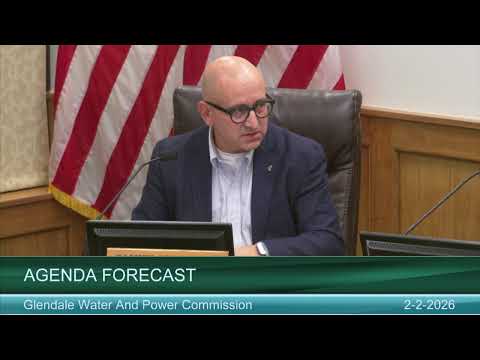
Commission presses GWP on staffing, public‑benefit spending and LED pace during budget/CIP review
Summary
During a detailed FY25–26 budget and capital plan review, staff reported PBC revenues of about $9.6M, Electric Works revenue near $358M and multiyear CIP carryovers; commissioners pressed for reserve details, headcount metrics, faster LED streetlight replacement and transparency on public‑benefit program spending.
Adrienne Sayan presented the FY25–26 budget and capital plan, walking commissioners through enterprise fund structures and a series of capital appropriations and carryovers. Key figures staff cited included an estimated PBC (public benefit charge) revenue of about $9,600,000 for the year and Electric Works revenue near $358,000,000 with major line items for purchased power and debt service.
Sayan and department leaders mapped fiscal year carryovers for major projects: a $31.7 million fiscal‑year component for the biogas project (with $2.2M additional requests), Grayson carryover of roughly $58.5 million, and a revised capital projects budget that includes $12 million for a GWP solar design‑build program on city properties and roughly $3 million appropriated for pipeline replacements.
Commissioners probed staffing and service‑delivery capacity. Staff said the utility’s full‑time position count is approximately 334 (plus about 29 hourly FTE), with five positions added in the adopted budget; commissioners asked for a reserves breakdown and headcount benchmarking to inform future COSA/cost‑of‑service work. Staff said reserve minimums are set to meet bond covenants (debt coverage, 1.1 ratio) and a typical cash target of about 180 days.
Several commissioners expressed concern about under‑spending in certain PBC programs and the slow pace of LED streetlight conversion (roughly 500 LEDs per year out of about 12,000 lights, ~65% converted). Staff explained program lumpy spending, development time for new commercial rebate programs and an intent to monitor and revise programs if adoption is low. Commissioners suggested pursuing contracting out LED conversions and requested a midyear PBC performance review.
Commissioners also asked about wildfire mitigation funding; staff said mitigation is funded across several programs (vegetation management, feeder upgrades and the 4→12 kV conversion), and that the $300,000 line item is a specialty project pot rather than the entire mitigation budget.
Why it matters: Budget and CIP choices determine how quickly infrastructure and decarbonization programs proceed and whether staffing and reserves match planned work.
What’s next: Staff agreed to present a reserves breakdown and to return with additional detail on headcount metrics, PBC program pacing and the five‑year program plan for reliability and feeder upgrades.