
Senate committee backs bill requiring security safeguards for genetic sequencing devices and data
Get AI-powered insights, summaries, and transcripts
Subscribe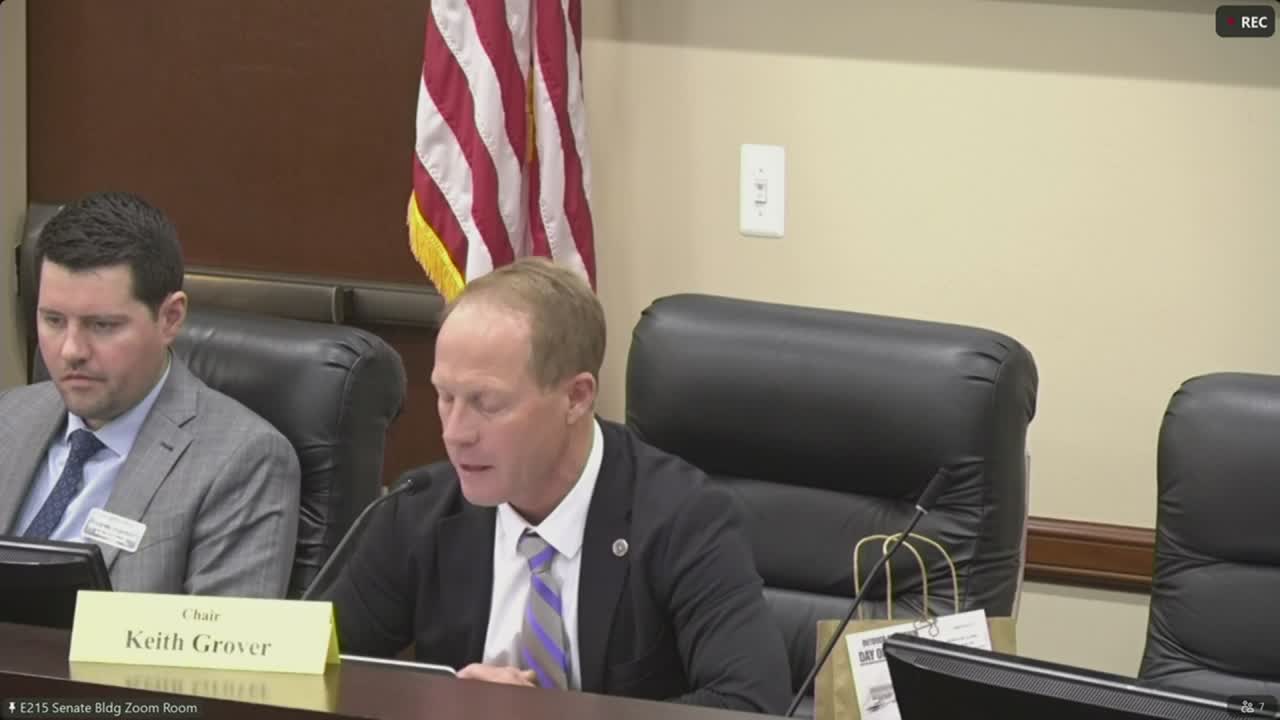
Summary
The committee favorably recommended a substitute of HB 182 to require operators of DNA sequencing equipment to disable remote access capabilities, file periodic sworn statements with the Attorney General, and exempt clinical trial genomic data; industry representatives and privacy groups generally supported the measure with a two‑year compliance runway.
The Senate Health and Human Services Committee favorably recommended a substitute of HB 182, a bill aimed at protecting genetic sequencing devices and the genomic data they produce. The sponsor said the primary goal is individual privacy and to prevent unauthorized remote access to sequencing machines and offsite storage of sensitive genomic data.
During his presentation the sponsor described a 10‑year reporting requirement to the Attorney General and an exemption for genetic sequencing gathered as part of clinical trials. Adam Gardner (State Armor Network) described the bill as creating a "defensive perimeter" around the state's genomic infrastructure and said it targets two vulnerabilities: device access and data storage locations. Mary Ann Christiansen of Utah Legislative Watch said, "our genetic makeup... is not something that we should take lightly and we do need to protect it."
Kelvin Cullimore of Bio Utah told the committee that the industry can comply and appreciated a two‑year runway to amortize device replacement or modification costs; he said the bill's focus was narrow and workable for research institutions. Committee members accepted a friendly floor amendment to address industry concerns and passed the substitute to the Senate.
The committee's action moves HB 182 forward; the bill's requirements include device hardening, a sworn reporting requirement, and a research exemption for clinical trials, per testimony and sponsor explanation.