Get Full Government Meeting Transcripts, Videos, & Alerts Forever!
DOE official says natural gas, coal and nuclear kept power flowing during winter storm
Summary
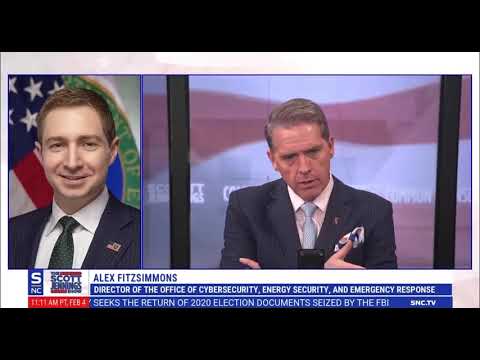
Alex Fitzsimmons of the Department of Energy told the Scott Jennings show that emergency orders and dispatchable generators — including natural gas, coal and nuclear plants — supplied roughly 85% of power during a recent winter storm and that DOE actions prevented retirements of about 17 gigawatts.
Alex Fitzsimmons, director of the Office of Cybersecurity, Energy Security, and Emergency Response at the U.S. Department of Energy, said emergency orders and traditional generators kept power flowing during a recent nationwide winter storm.
"We deployed more than 64,000 personnel to rapidly restore power to almost 1,000,000 people who were impacted by the storm," Fitzsimmons said in an interview on the Scott Jennings show. He credited frontline workers and energy-sector crews for restoration efforts.
Fitzsimmons said most…
Already have an account? Log in
Subscribe to keep reading
Unlock the rest of this article — and every article on Citizen Portal.
- Unlimited articles
- AI-powered breakdowns of topics, speakers, decisions, and budgets
- Instant alerts when your location has a new meeting
- Follow topics and more locations
- 1,000 AI Insights / month, plus AI Chat