Mendocino supervisors debate state audit recommendations, clash over asset‑forfeiture oversight
Loading...
Summary
A state audit prompted a lengthy board debate over county finances and whether the Board can regulate asset‑forfeiture spending. County Counsel told supervisors forfeiture funds are legally separate from the general fund; the district attorney defended his office's discretion and spending.
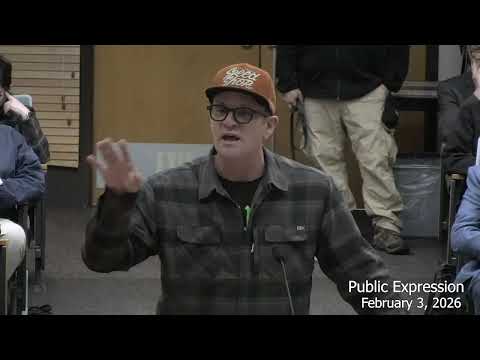
A state audit released Dec. 18, 2025 set off a nearly three‑hour debate at the Mendocino County Board of Supervisors on Feb. 3 over the county's finances and whether the board should adopt policy controls over asset‑forfeiture funds.
The executive office asked the board for direction on a corrective action plan to address a persistent budget deficit and a series of recommendations from the state auditor. Assistant CEO Sarah Pierce told the board the county would "work with the executive office and the elected departments on the creation of a schedule to outline the steps" to address stagnant revenue and rising expenditures, with an initial plan due in March 2026.
But attention quickly shifted to the audit's focus on the use of asset‑forfeiture funds by the district attorney and sheriff. County Counsel Kit Elliott told supervisors the funds are legally separate from the general fund: "The asset forfeiture is, by law, not part of the general fund," she said, arguing the board has limited authority to mandate how prosecutors or law‑enforcement spend those monies.
District Attorney David Eister pushed back. Saying his office had grown the forfeiture account and distributed funds to local programs, he told the board: "I've been a very good steward of the asset forfeiture account." Eister warned that a county policy attempting to restrict forfeiture spending would be preempted by state law and likely lead to litigation, noting appellate precedent that limits local control over such matters.
The dispute exposed split instincts on the dais. Some supervisors urged better transparency and documentation; others said the board lacks legal authority to direct how the district attorney and sheriff spend forfeiture proceeds. Auditor‑Controller Shamise Cubison said she is pursuing technical fixes and a contract for outside collection services to recover delinquent property taxes, and she proposed adding staff to the tax office to improve collections.
After extensive public comment, the board directed the executive office to work with county counsel and the relevant elected officials to draft the county's response to the state auditor, while county counsel said she would also seek clarification from the state on recommendations she characterized as legally unclear.
What happens next: The county executive will refine the corrective action plan for the board's review and must submit a formal response to the state by Feb. 18, 2026. The counsel's office said it will follow up with the state auditor's legal team and advise the board if litigation or further policy changes are necessary.