Get Full Government Meeting Transcripts, Videos, & Alerts Forever!
Lawmakers press Coast Guard on tanker boardings, ‘dark fleet’ and operational security
Summary
Members pressed the Coast Guard about boardings of tankers tied to sanctioned Venezuelan oil, an estimated 600–800 'dark fleet' vessels, the Bella 1 incident, and whether public video releases risked revealing tactics or operator identities; the Coast Guard offered a classified briefing and urged timely use of appropriated funds.
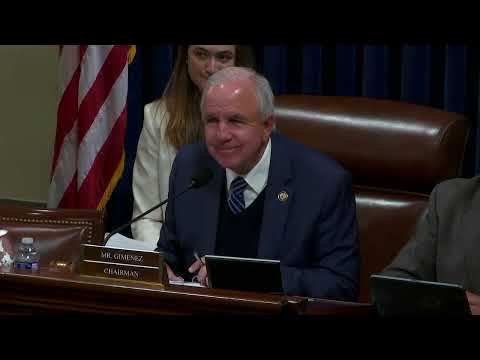
A central line of questioning in the subcommittee hearing focused on recent Coast Guard boardings of large tankers that members said were linked to sanctioned Venezuelan oil and on operational security when footage is released publicly.
Rear Admiral David Barrotta told members the Coast Guard estimates hundreds of sanctioned 'dark fleet' tankers operate globally and that interdictions represent "a very small percentage, frankly." He described practical challenges: vessels can spoof or hide automatic identification…
Already have an account? Log in
Subscribe to keep reading
Unlock the rest of this article — and every article on Citizen Portal.
- Unlimited articles
- AI-powered breakdowns of topics, speakers, decisions, and budgets
- Instant alerts when your location has a new meeting
- Follow topics and more locations
- 1,000 AI Insights / month, plus AI Chat