Lifetime Citizen Portal Access — AI Briefings, Alerts & Unlimited Follows
Former operator says Rinc'n plant brought jobs, calls for guided public access
Loading...
Summary
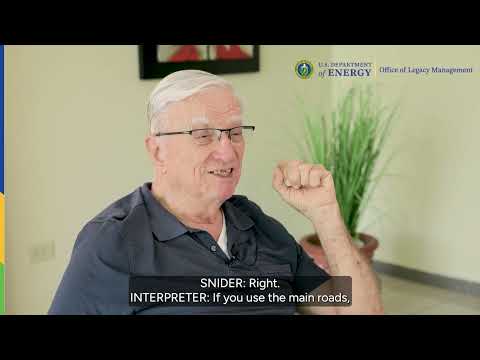
Fernando Pla Barbie, a former plant operator, described being recruited into a nuclear master's program, training and working at a Rinc'n plant in the mid-1960s, said the facility brought jobs and "no accidents" during his tenure, and urged making the site accessible to the public with guided visits.
Fernando Pla Barbie, a former operator who trained and worked at a plant in Rinc'n in the 1960s, said the facility brought significant local employment and economic benefits and should be opened more broadly to the public with guided visits. "Afortunadamente... no cogió ningún accidente" he said, describing his time operating systems and synchronizing the generator to the grid.
Pla Barbie said he studied mechanical engineering at the University of Puerto Rico at Mayagez and later added an electrical engineering degree. He described being recruited after a chance encounter at a gas station with a childhood friend who told him the "autoridad de las fuentes fluviales" was seeking students for a master's program in nuclear engineering for Puerto Rico's plants. "Me aceptaron y ahí entré al programa de maestría" he said, and after completing two semesters plus a summer of courses he was assigned to work "en planta abonos de Rinc'n," where initial training took several months before he began operations shifts.
He said the plant drew both foreign and U.S. staff and attracted North American visitors to the town: "había muchísimos... norteamericanos... que venían a vivir en la playa" and that their presence brought money into local banks and supported restaurants, hotels and other businesses. He described Rinc'n as a small, tourism-driven town that people "have to have the purpose of coming" to visit.
Pla Barbie said he did not serve in any official community-relations role and was not assigned to explain plant safety to residents. He also said he served in the U.S. military during the period and that by the time he completed his service the plant had closed, ending his employment; he estimated he began around August 1964 and left by November 1966.
On public access to the site, Pla Barbie said the municipality wants to retain the property for an attraction but that the authority that holds the land (identified in the interview as "Prepa") treats it as part of bond holdings and that the site is not yet ready for unrestricted public entry. "Un grupo puede solicitar pedir permiso, le dan un paseo, pero una familia no puede venir un domingo y entrar," he said, and he advocated for more frequent, organized visits and clearer public interpretation: "me gustaría que la gente pudiese entrar con facilidad... y que hubiese una charla interna" explaining the plant's history and why it closed, which he said is subject to many rumors.
The account is an oral recollection of his education, training and work and contains first-hand descriptions of operations and local economic effects. The interview does not include formal records about the facility's regulatory status, closure reasons, or technical reports; officials or the current property holder were not quoted in the interview and their views are not in the transcript. The interviewee's dates are approximate and reflect his recollection.
The most recent development reported in the interview is Pla Barbie's suggestion that the site be made more accessible with guided visits; he noted current limits on casual public entry and said the municipality and the authority that holds the property would need to resolve readiness and ownership questions before broader access could be allowed.