
Renewed Russian strikes on Kyiv prompt fresh calls for more Western air defenses
Get AI-powered insights, summaries, and transcripts
Subscribe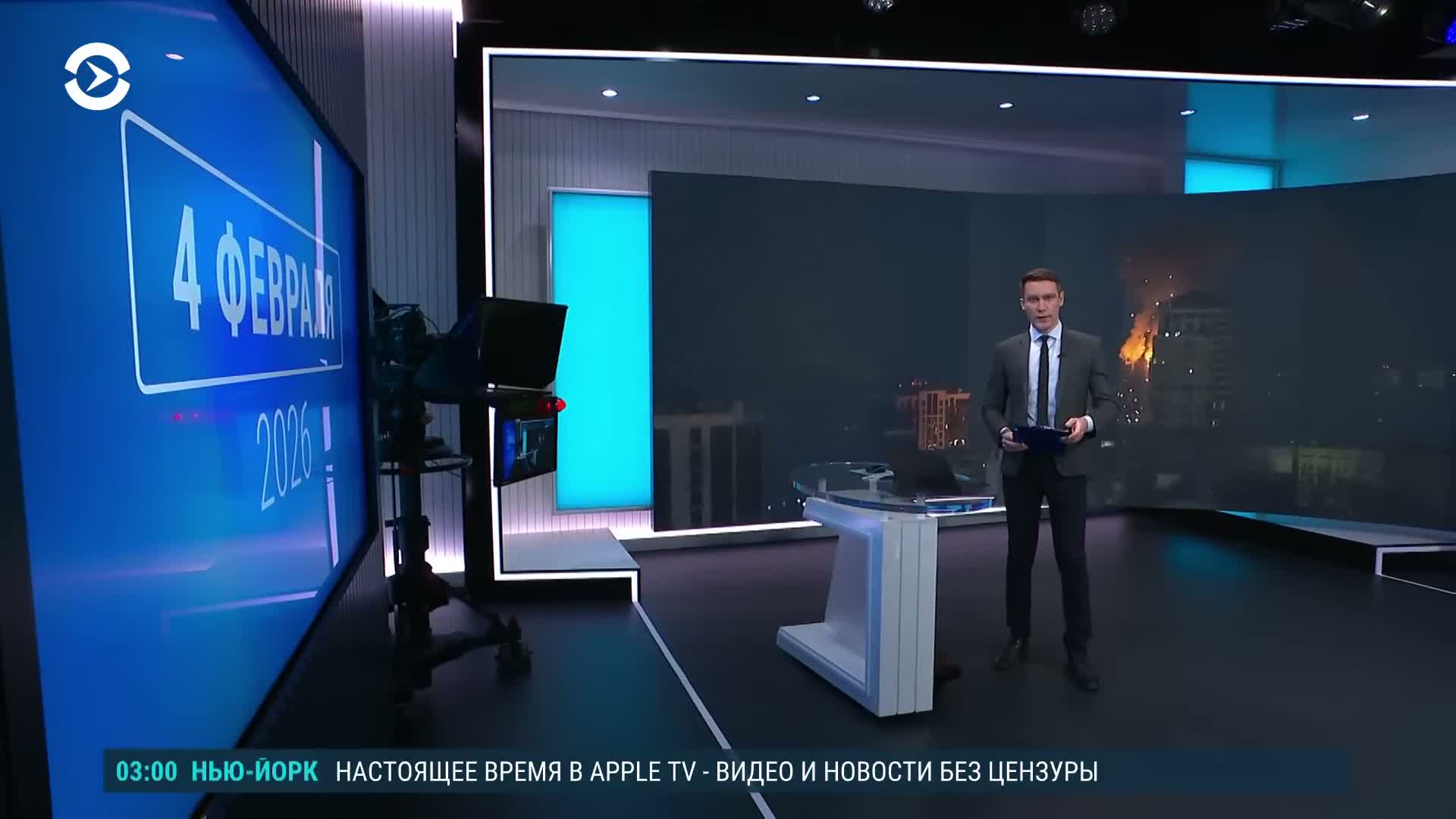
Summary
A new Russian wave of rockets and drones hit Kyiv and other Ukrainian cities; President Zelensky said an 'energy truce' lasted under four days and asked allies for more Patriot missiles while U.S. political reactions were mixed, including calls in the Senate for cruise missiles.
A new wave of Russian rockets and drones struck Kyiv and multiple Ukrainian cities on Tuesday, killing civilians and damaging critical infrastructure, the program reported. President Volodymyr Zelensky said the so-called energy truce lasted "неполных четыре дня" (under four days) and urged Western partners to provide more missiles for Patriot air‑defense systems.
The broadcast cited local officials reporting two teenagers killed in Zaporizhzhia and at least 11 wounded; footage from rescuers showed damage to residential buildings and a children's hospital. Regional authorities in several oblasts reported damaged power substations and widespread blackouts after retaliatory strikes on energy infrastructure in the Belgorod region were reported.
The program quoted U.S. and international reactions discussed on air. Senator Lindsey Graham called on U.S. President Donald Trump to provide Tomahawk cruise missiles to Kyiv. The broadcast also played remarks attributed to Donald Trump saying Russian President Vladimir Putin had "сдержал свое слово" ("kept his word") about a pause in strikes; Zelensky and other Ukrainian officials disputed the characterization, noting that the pause lasted only days and that Russia had been stockpiling weapons ahead of the renewed attacks.
The presenters reported that UK Prime Minister Keir Starmer phoned the U.S. president after the strikes, and cited press coverage saying a special U.S. envoy was sent to Abu Dhabi for talks between Kyiv and Moscow intended to address contested territory in Donbas and possible security guarantees for Ukraine. The program referenced a Financial Times report describing multi‑level security guarantees under discussion, including diplomatic warnings and coordinated military responses by partners if violations occur.
On air, an invited political analyst warned that proposals requiring Ukrainian withdrawals from fortified positions are legally and practically complicated under Ukraine's constitution and wartime laws and argued that any viable arrangements would need clear enforcement mechanisms — for example, demilitarized zones monitored by international peacekeepers — to avoid repeating past diplomatic failures.
The program closed the item by reporting ongoing diplomatic activity in Abu Dhabi and saying Ukraine expected a response from Washington about further assistance. There were no formal announcements of new U.S. weapons deliveries in the broadcast.
The next procedural step noted in the program: the Abu Dhabi talks were beginning and press reports were being monitored for details of any security‑guarantee proposals.