
ATCC warns of counterfeit cigarette stamps, reiterates Master Settlement enforcement role
Get AI-powered insights, summaries, and transcripts
Sign Up Free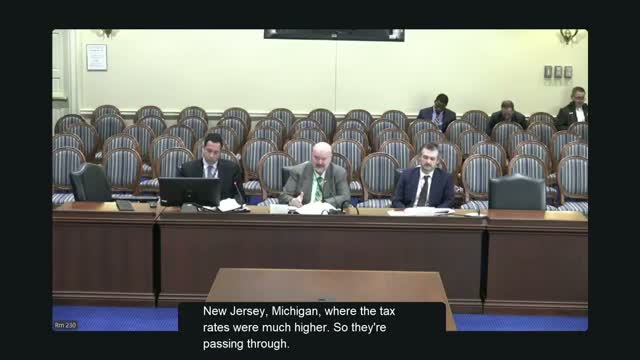
Summary
At an Economic Matters Committee briefing, ATCC officials described rising counterfeit Maryland tobacco stamps, described master settlement enforcement obligations, and detailed inspection volumes (about 6,500 retailers statewide and roughly 40% inspected annually). The agency said it can cite and pursue criminal and administrative penalties for violators.
Agency leaders told the Economic Matters Committee that tobacco enforcement remains a major focus — from retail inspections to litigation tied to the Master Settlement Agreement — and that counterfeit stamps have emerged as a growing problem.
"There are operations significant operations in Maryland going to North Carolina, buying a lot of cigarettes that are not stamped... literally in their houses or in buildings have ironing boards and irons and pages of fake stamps that they're ironing on," ATCC Executive Director Jeff Kelly said, describing diversion investigations that led to search warrants.
Kelly reminded the committee that Maryland's excise tax on cigarettes is $5 per pack and said that higher tax rates nationally have shifted criminal patterns; he qualified the observation by saying he was not asserting the tax "encourages" crime but that it can change where illicit actors choose to operate.
On program scale, Kelly said ATCC is a 61-person agency with about 30 sworn officers. He reported roughly 6,500 tobacco retail outlets in Maryland and said ATCC inspects about 40% of them annually and prioritizes problem locations. For alcohol retail locations, he estimated approximately 8,500 outlets.
The Master Settlement Agreement — the long‑standing legal and financial pact between states and participating cigarette manufacturers — was described as a source of annual payments (agency testimony gave a range of about $100 million to $170 million depending on factors) and as a reason for sustained enforcement attention. Kelly said the attorney general's tobacco enforcement unit maintains registries ATCC uses to verify authorized brands.
On penalties, Tom Akers explained that enforcement can proceed as criminal prosecutions in district court (with potential fines or incarceration depending on the offense) and as administrative actions that could result in license revocation. ATCC said civil administrative hearings target the license where the business is operating.
Committee members asked for additional detail about escrow and 'nonparticipating' manufacturers in the Master Settlement framework and for more specific county‑level enforcement numbers; ATCC said it can supply aggregate jurisdictional case counts and referenced publicly available resources and the comptroller's data for stamp sales and revenue volume.
The briefing closed with the chair thanking ATCC and noting members could follow up by email for jurisdictional breakdowns or additional materials.