Get Full Government Meeting Transcripts, Videos, & Alerts Forever!
Moratorium bill ties data‑center approvals to co‑located generation; industry and environmental groups clash
Summary
HB 120 would impose an emergency moratorium on new data centers lacking required permits and make any lifting contingent on co‑locating generation sized to meet or exceed data‑center demand; business groups warned of lost investment while environmental and community advocates warned the contingency could spur new fossil generation and public‑health harms.
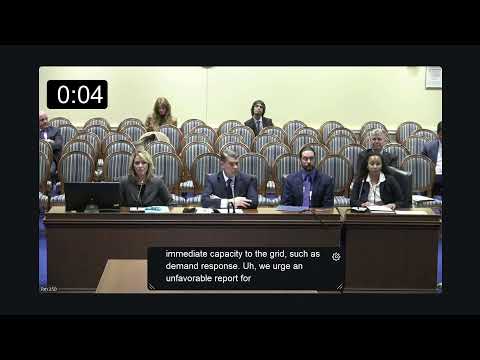
Delegate Mark Fisher presented HB 120 as an emergency moratorium on approvals and construction of data centers that lack required permits and as contingent legislation: the moratorium would be abrogated only if the General Assembly enacts law requiring new data centers be co‑located with generation (gas, nuclear or small modular reactors) sufficient to meet or exceed the data center’s power needs.
Already have an account? Log in
Subscribe to keep reading
Unlock the rest of this article — and every article on Citizen Portal.
- Unlimited articles
- AI-powered breakdowns of topics, speakers, decisions, and budgets
- Instant alerts when your location has a new meeting
- Follow topics and more locations
- 1,000 AI Insights / month, plus AI Chat