
AARP backs bill to let scam victims deduct stolen funds from taxable income
Get AI-powered insights, summaries, and transcripts
Subscribe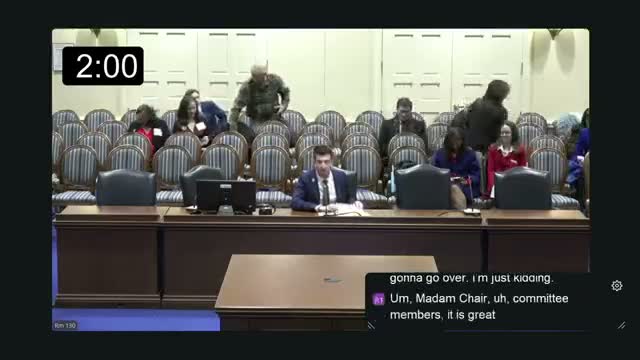
Summary
HB 124 would permit victims of financial scams to deduct stolen funds from gross income; AARP Maryland supported the move citing the emotional and fiscal harm to seniors and urged protections against further injury from taxation on stolen funds.
Delegate Vogel introduced House Bill 124 to allow victims of financial fraud to deduct amounts stolen from retirement accounts or other personal funds from gross income for state tax purposes.
Karen Morgan, a volunteer with AARP Maryland, testified in strong support. She described the severe financial and emotional consequences for older victims and urged the committee not to compound harms by treating stolen funds as taxable income. AARP cited national estimates of fraud losses and emphasized underreporting: only a small fraction of these crimes are reported.
Committee members asked about administration and verification; the comptroller’s letter of information was discussed as proposing additional verification or outside third‑party review to prevent abuse. Delegate Vogel said language in the bill seeks to guard against misuse and that sponsors are willing to work with the comptroller and the committee on enforcement and implementation details.
The hearing closed with offers to collaborate on verification mechanisms to balance relief for victims with safeguards against fraud.