
Bill would require school systems to post disaggregated hate‑bias incident counts online
Get AI-powered insights, summaries, and transcripts
Sign Up Free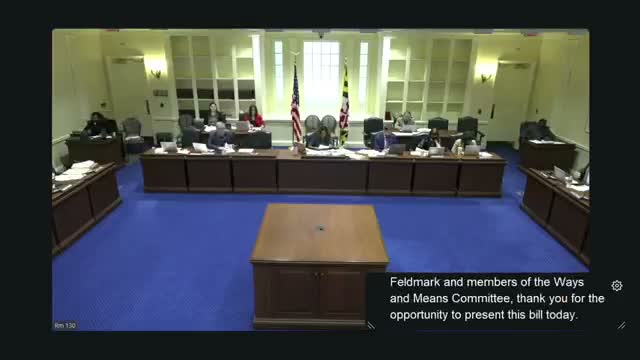
Summary
HB 14 would require Maryland school systems to publish raw counts of hate/bias incidents by targeted victim groups on their websites; sponsors and organizations including ADL and Jewish community councils said disaggregation helps direct resources, while delegates asked for uniform reporting standards and privacy protections.
Delegate Linda Foley testified in support of House Bill 14, which would require K–12 public school systems in Maryland to post raw counts of hate‑bias incidents broken down by targeted victim groups (for example, anti‑Semitic, anti‑Black, anti‑LGBTQ+) on their public websites.
Foley said the data already exist through required reporting forms but that presentation varies across counties; HB 14 would standardize public availability of disaggregated numbers (system‑level, not school‑level) on the same timeline used for state reporting. She cited Montgomery County Public Schools as an example of current practice and said stakeholders including the Attorney General’s Office, the Anti‑Defamation League (ADL), and Jewish community organizations support the change.
Multiple witnesses backed the bill. Tali Cohen of ADL and representatives from Jewish community councils and the Coalition for LGBTQ+ Students described rising antisemitic and anti‑LGBTQ incidents and argued that raw, disaggregated data help target resources and trainings. Coalition witnesses proposed an amendment to report counts at the school level to inform family decisions and local interventions; advocates argued school‑level data would help parents, researchers and policymakers identify local needs.
Delegates asked how targeted characteristics would be captured (checkbox on forms vs. narrative), how retail verification/regulatory analogies applied, concerns about inconsistent reporting, and the risk that publicizing counts could deter reporting. Sponsor and witnesses noted state forms already collect motivating characteristic information; they acknowledged the need for standardized forms and training and said the bill intentionally requires system‑level reporting to limit privacy risks in small districts. Committee members suggested continued stakeholder work to improve uniformity and to balance transparency with student privacy.
The hearing closed after extensive questions and offers to work on clarifying language and data collection standards.