Maryland proposes refundable cybersecurity tax credit and higher vendor caps to boost Buy Maryland program
Loading...
Summary
Department of Commerce officials and industry back HB 290, which would make Maryland’s cybersecurity tax credit refundable, eliminate the 50‑employee buyer cap, raise seller revenue eligibility from $5M to $10M, and increase per‑seller buyer claims from $200K to $1M; proponents say the changes aim to increase modest historical uptake.
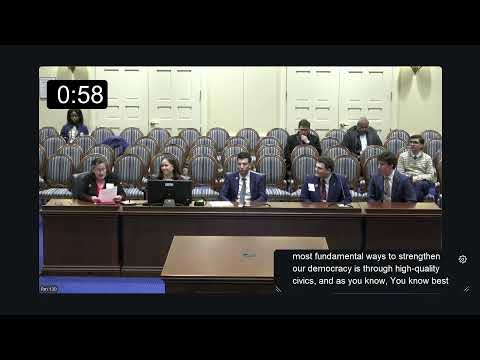
Chair Janelle Wilkins opened the Ways and Means hearing on House Bill 290, a departmental bill the administration says will expand use of the Buy Maryland cybersecurity tax credit.
Maryland Secretary of Commerce Harry Coker testified in support, saying the program, established in 2018, has been “a modest success” but remains underused. He told the committee that “each year, an average of 38 buyers are awarded about $444,000 in credits” and that around $3,000,000 in credits have been issued over the life of the program despite an annual cap of $4,000,000. “We can do better,” Coker said, summarizing the bill’s goals.
HB 290 would make the credit refundable so nonprofits and entities without income tax liability could receive cash refunds; remove the 50‑employee cap that limited buyer eligibility; raise the annual revenue threshold for qualified sellers from $5 million to $10 million; and increase the aggregate credit a buyer may claim for purchases from a single seller from $200,000 to $1,000,000. The bill also codifies the program name and adds a sunset provision to allow the legislature to reassess results.
Kelly Schultz, CEO of the Maryland Tech Council, and Tasha Cornish, executive director of the Cybersecurity Association of Maryland, testified the changes would help small cybersecurity firms and nonprofits remain competitive and afford protections developed in‑state. Sean Levin, founder of AVID Partners and a qualified seller, said the current rules exclude organizations that “face the same cybersecurity risks but cannot access the credit,” and urged a favorable report.
Committee members pressed sponsors on equity and fiscal safeguards. Delegate Patterson asked whether redrafted language around minority‑ or women‑owned businesses narrowed eligibility; department counsel said the rewording preserves the intent—to allow firms owned by historically disadvantaged individuals to qualify—while avoiding language that had raised legal concerns. Separately, the Maryland Society of Accounting and Tax Professionals raised concerns in written testimony about creating a refundable credit without stronger oversight; committee members asked whether the statute should add explicit review or an expert panel. Department witnesses said the expert review panel in current statute has not been used and pointed out other refundable credits are administered with comptroller oversight. The department also said the credit would be distributed first‑come, first‑served up to the $4 million annual cap and that the sunset provision would allow adjustments if uptake or fiscal exposure proved larger than expected.
Sponsors and industry witnesses argued the bill addresses barriers that have limited participation—nonrefundable structure, a 50‑employee buyer cap, and vendor limits—and would keep state cybersecurity spending in Maryland. No formal vote was taken; Chair Wilkins closed the hearing after committee questioning and witness remarks. The bill will proceed to further consideration by the committee.