Lewiston audit: city receives clean opinion; fund balance grew as school subsidy and investment earnings rose
Loading...
Summary
External auditors gave Lewiston an unmodified (clean) opinion on the consolidated FY audit and highlighted a roughly $31 million assigned fund balance, stronger investment earnings and an increase in intergovernmental revenues tied to higher school subsidies.
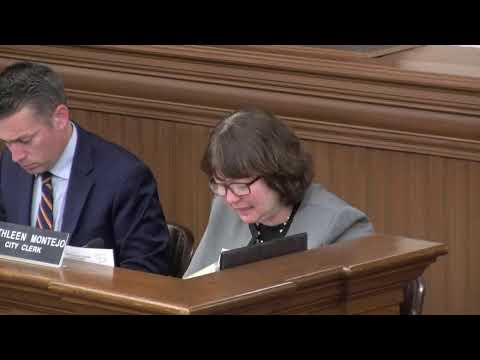
Ron Smith, principal managing partner at RHR Smith, told the Lewiston City Council that the firm issued an unmodified (clean) opinion on the city’s consolidated audited financial statements. "You got our highest professional audit opinion that exists out there," Smith said during a workshop presentation, noting the audit condensed a roughly 125‑page report into a shorter summary for council review.
Smith walked councilors through the city’s fund balance composition and called particular attention to what he described as an assigned fund balance of about $31,000,000 — an increase of about $7,000,000 from the prior year. He said approximately $21,000,000 of that assigned amount is intended for one‑time purchases or supplemental budgets. Smith also flagged accrued compensated absences around $5,500,000 and said the long‑term portion of the city’s workers’ compensation liability remains only partially funded.
On revenues, Smith attributed most of the consolidated increase to school‑related intergovernmental revenue, reporting that state subsidy amounts for the school system came in higher than expected. "The school literally is the biggest reason that I can explain," he said. Investment earnings also exceeded budgeted estimates, Smith added, which helped increase the general fund balance and allowed one‑time allocations for reserves and projects.
Smith cautioned the council about the end of COVID‑era supplemental funding. He said some municipalities used ARPA or other relief dollars for recurring operating purposes and warned that such uses create a future funding gap when the one‑time federal money dries up. He recommended prioritizing capital and infrastructure maintenance rather than deferring maintenance or relying on temporary revenues.
Councillors asked Smith whether the city had used ARPA for operating costs; Smith replied that where one‑time funds were used for recurring obligations, those decisions will create future challenges. On utilities, he reported that water, wastewater and stormwater enterprise funds appeared healthy, but emphasized those systems are capital intensive and will remain major budget considerations.
Smith concluded by thanking Lewiston staff for their financial reporting work and said he would assist the city through the auditor transition. The council followed the presentation with questions about the implications for budgeting and potential strategies for addressing large capital needs such as future filtration or wastewater projects; Smith urged exploring external financing and interlocal agreements where appropriate.
The presentation closed with the council acknowledging the audit and moving into other agenda business.