
Mississippi House passes PBM reform after heated debate; pharmacists’ strike‑all amendment fails
Get AI-powered insights, summaries, and transcripts
Subscribe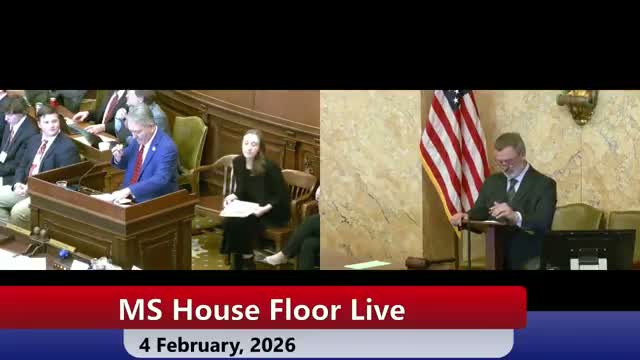
Summary
The House approved HB 16‑65, a pharmacy benefit manager (PBM) reform bill that sets reimbursement floors, bans spread pricing and clawbacks, requires transparency and shifts oversight to the Department of Insurance; a strike‑all amendment favored by independent pharmacists failed on a roll call.
The Mississippi House on a contested floor vote passed HB 16‑65, a package aimed at increasing transparency in pharmacy benefit management and raising reimbursement protections for pharmacies.
Sponsor and scope: The sponsor (representative from Jackson) described the measure as a broad rewrite to curb practices that reduce independent pharmacists’ reimbursements, including prohibitions on spread pricing and retroactive clawbacks, a requirement that reimbursement not be below a pharmacist’s acquisition cost, prompt payment timelines for electronic claims, and disclosure of PBM‑PSAO contracts and rebates.
Contentious floor debate: The bill drew sustained debate from independent‑pharmacy proponents and some employer groups. Representative from Pearl River offered a strike‑all amendment to substitute a different bill (HB 16‑72) backed by the Board of Pharmacy and independent pharmacists; proponents argued the committee‑sub language arrived too late for review and that the alternate text better protected independents and used NAADAC pricing. The House rejected the strike‑all amendment on a roll call.
Oversight and enforcement: HB 16‑65 moves enforcement from the Board of Pharmacy to the Department of Insurance, adds licensing and audit requirements for PBMs and PSAOs, and requires that rebate dollars be passed back to plan sponsors. Sponsor proponents argued the changes would open specialty drug markets to competition; opponents warned that employer plans or PBMs might pass costs through to employers or patients and urged close monitoring.
Outcome and next steps: The bill passed the House by recorded vote. Supporters framed the vote as a long‑overdue intervention to slow the rise in drug costs and protect local pharmacies; opponents asked for further analysis and committed to oversight during the implementation period and the three‑year repealer window in the bill.