Get Full Government Meeting Transcripts, Videos, & Alerts Forever!
Get email alerts on the Tort Reform topic
No spam. Unsubscribe anytime.
Committee advances bill on punitive-damage caps for trucking cases after contentious testimony
Summary
Senate Bill 227, presented as a targeted measure to reduce unpredictable insurance costs for small trucking operators in a basin, was forwarded to the Senate floor 4–2 after sponsor commitment to continue stakeholder negotiations; testimony split between trucking and insurance interests and trial attorneys and justice advocates.
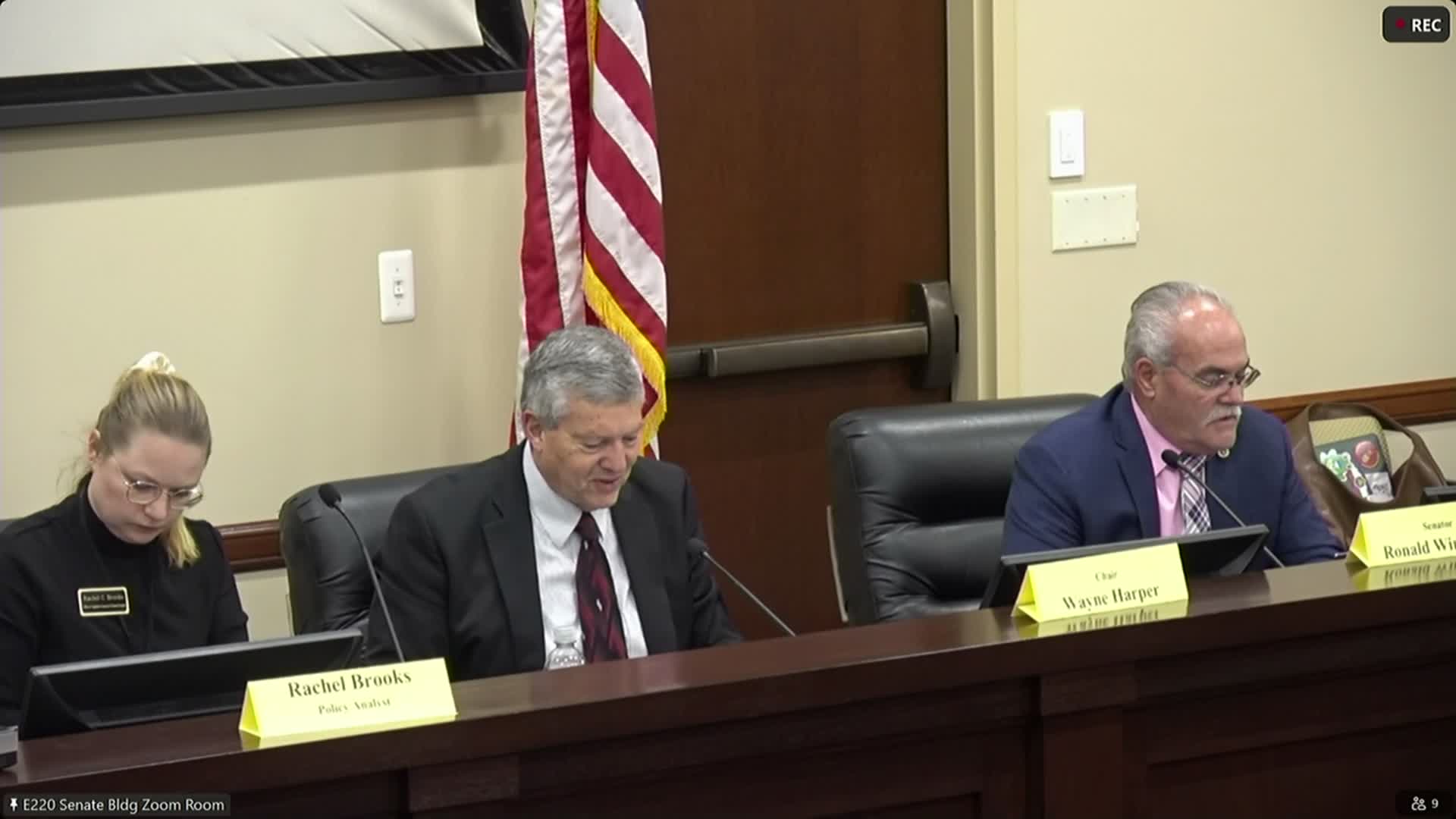
Senator Winterton introduced SB 227 as a targeted attempt to limit punitive damages exposure and bring predictability to insurance costs faced by small trucking operators. “We need to fix the problem,” the sponsor said, explaining rising insurance premiums threaten small operators’ livelihoods in the basin.
Industry witnesses said predictable punitive-damage exposure could help hold down insurance costs. Jake Lee, chair of the legislative committee for the Utah Association for Justice, told the committee that punitive damages are distinct from compensatory damages, are not insurable under Utah law (he cited Section 31A-20-101), and that curbing punitive damages would reduce a rare but important deterrent. “Punitive damages are not paid by insurance companies,” Lee said, and he warned that caps could shield wealthy wrongdoers and reduce the number of cases that proceed to trial by limiting attorneys’ fees.
Mike Sontag, representing property and casualty insurers, said unpredictability of punitive awards contributes to rising premiums for motor carriers and urged the committee to support measures to create predictability.
Committee members debated carve-outs and the practical effect of caps on families who have lost loved ones in cases of egregious conduct; several members asked whether the bill could narrowly target commercial or apportioned vehicles rather than apply broadly. Sponsor Winterton moved to forward the bill to the Senate floor with a commitment to continue working with stakeholders and to bring substitution language; the committee approved forwarding the bill with a recorded vote of 4–2 (Senators Kwan and Reby voted no).