Senate Panel Advances Rule Change Letting Prior Sexual‑Misconduct Allegations Be Considered in Adult Cases; Defense Seeks Safeguards
Loading...
Summary
The committee recommended SJR1 to align adult sexual‑misconduct prosecutions with federal practice that allows limited use of prior allegations; proponents said it helps prosecute serial offenders, while defense groups urged similarity limits, Rule 403 balancing, narrowed definitions and a time limit.
Senator Brammer presented SJR1, a joint resolution proposing a rule change to allow limited use of prior sexual‑misconduct allegations in adult prosecutions, aligning Utah practice with federal courts and existing juvenile rules.
Proponents said the change promotes uniformity and helps prosecutors present pattern evidence in cases involving serial offenders; Ryan McBride noted federal courts and other states have adopted similar approaches and that judges retain gatekeeping authority under evidentiary rules.
Defense representatives, including the Utah Defense Lawyers Association and the Salt Lake Legal Defender Association, voiced opposition unless several safeguards are added: (1) a requirement that prior acts be sufficiently similar to the charged conduct; (2) an explicit Rule 403 balancing analysis to exclude evidence when prejudice substantially outweighs probative value; (3) narrowing the covered offenses so the category doesn’t sweep in low‑level conduct such as lewdness; and (4) considering a time limit (for example, a 10‑year cut‑off) because very old allegations are difficult to defend against.
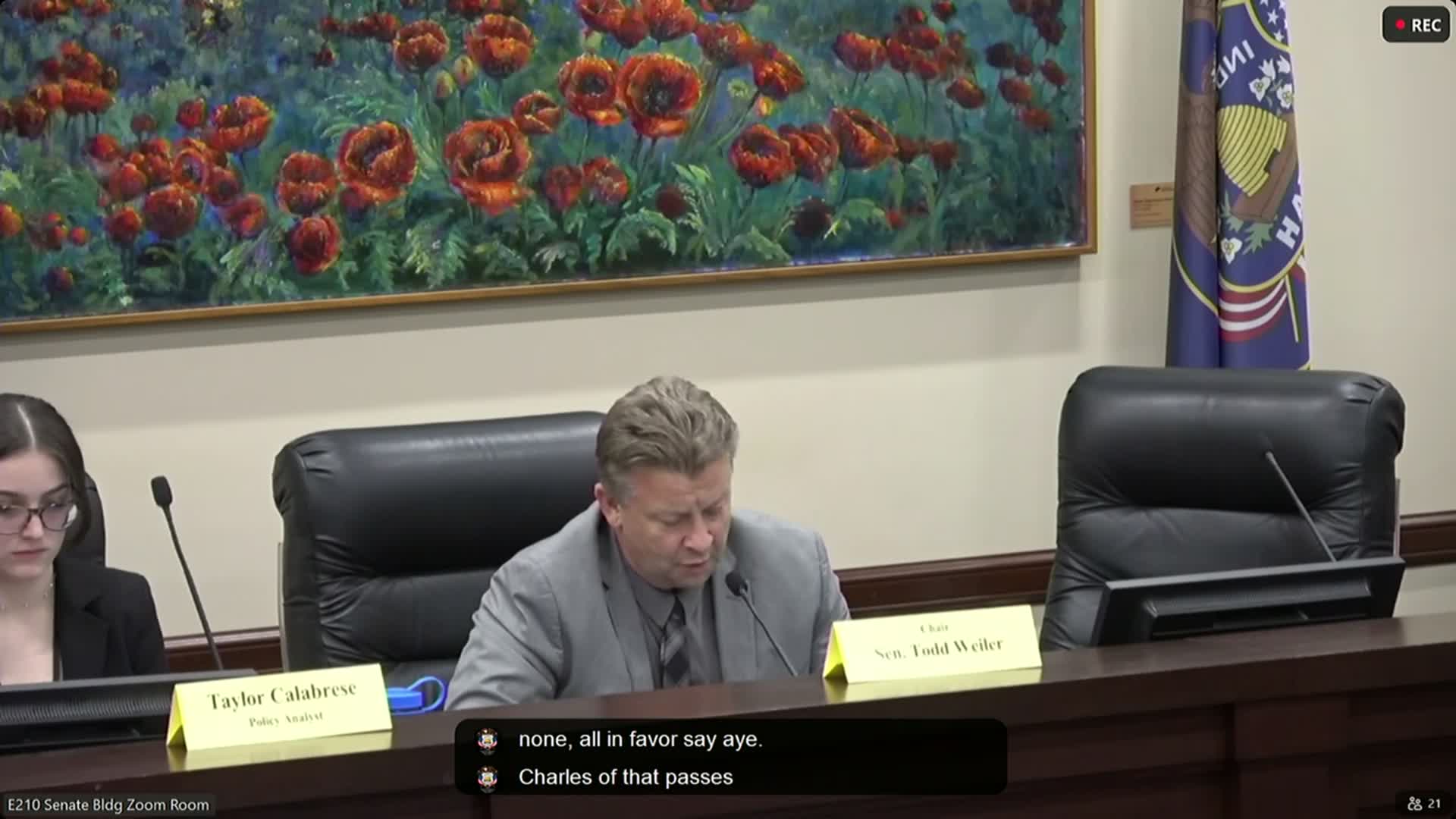
Senators indicated willingness to continue working with defense counsel and other stakeholders on the resolution’s language. After a substitute was adopted, the committee voted to favorably recommend SJR1 (recorded 5–1 with one senator opposing). The transcript shows senators requested continued engagement with defense counsel to refine provisions to reduce the risk of unfair prejudice.