
Utah House committee advances bill to replace junior-high digital skills course with social-media, AI literacy
Get AI-powered insights, summaries, and transcripts
Subscribe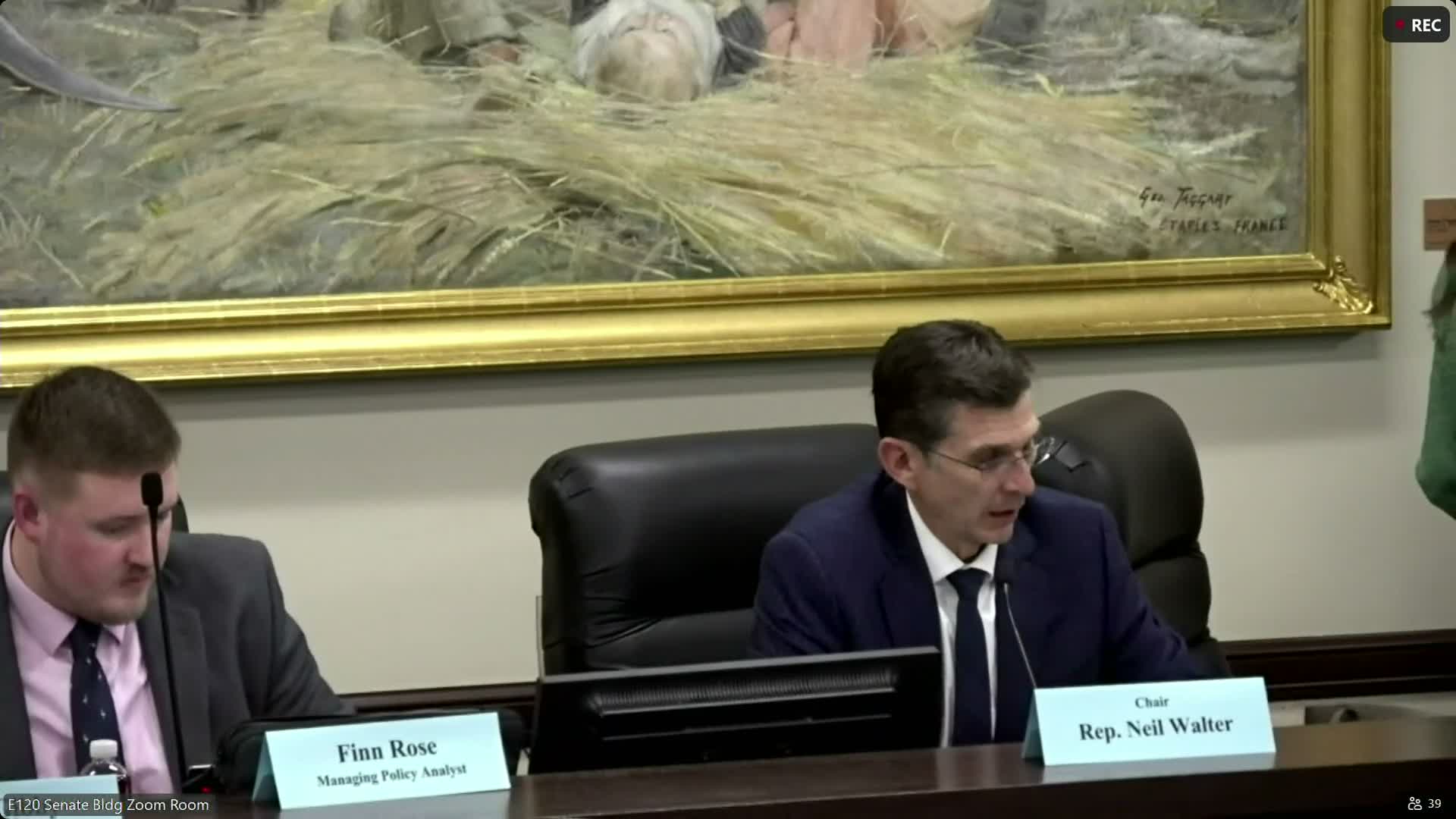
Summary
The House Education Committee unanimously recommended HB 2.18, which replaces the current 7th–8th grade digital skills class with a digital literacy course focused on social media harms, digital privacy, cybersecurity and responsible AI; an amendment narrowed content for middle-school audiences and the fiscal note was reported as zero.
Representative Tuscher urged the committee to support HB 2.18, describing it as a redesign of the existing seventh‑ and eighth‑grade digital skills class to emphasize digital protection, social‑media awareness, digital privacy, cybersecurity basics and responsible use of AI. “We can incorporate that into that class…so it doesn't add any new additional requirements,” Tuscher said (Rep. Tuscher).
The sponsor said the bill grew from consultations with the governor's office, the State Board of Education and community stakeholders and is intended to address harms from social media and emerging technologies while preserving classroom schedules. He told the committee the course would replace an existing requirement and would not start until the 2027–28 school year to give schools time to develop content.
Committee members asked about standards-setting and oversight. Rep. Peterson pressed on language (starting at line 65) that allows the state superintendent to establish an advisory tech council; the sponsor said the council language is optional guidance for the superintendent and does not force a council into existence. Rep. Moss asked whether the bill creates an entirely new course; the sponsor confirmed it replaces an existing course and that the fiscal note is zero.
Public testimony was uniformly supportive in person and online. Heather Waffenden, a digital‑literacy teacher at Vista Heights Middle School, told the committee the course builds workforce skills and industry‑aligned certifications that “connect directly to job opportunities here in Utah.” Dr. Sarah Coyne, a BYU professor of human development, said education should include not only harms but also benefits of digital media.
Representative Walton moved and the committee adopted a first amendment that removes concepts judged not appropriate for middle‑school students and includes cleanup language; the amendment passed unanimously. Representative Peck moved that the committee favorably recommend the first substitute as amended; the committee voted aye with no opposition and recommended HB 2.18 to the floor.
Next steps: HB 2.18 as amended was recommended favorably by the House Education Committee and will proceed to the full House for further consideration.