Get Full Government Meeting Transcripts, Videos, & Alerts Forever!
Get email alerts on the Workplace Harassment Training topic
No spam. Unsubscribe anytime.
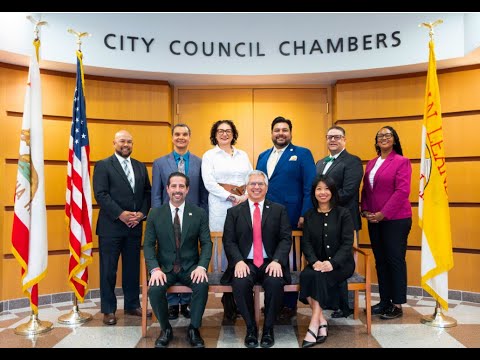
San Leandro council receives mandatory FEHA and abusive-conduct training
Summary
The San Leandro City Council received a required two-hour training Feb. 2, 2026, on discrimination, harassment, retaliation and abusive conduct from Neha Shah of Redwood Public Law, who reviewed FEHA supervisory liability, reporting obligations and prevention best practices and led breakout hypotheticals.
Neha Shah, senior counsel at Redwood Public Law, delivered a required harassment and abusive-conduct training to the San Leandro City Council on Feb. 2, 2026, telling elected officials they may be treated as supervisors under California law with attendant reporting duties and potential liability.
Shah said the training was provided “in accordance with the California Government Code, section 12950,” and covered discrimination, harassment, retaliation and abusive conduct. She told the council that elected officials “are considered supervisors under FEHA,” meaning their conduct and knowledge of misconduct can expose the city to liability and that supervisors must report suspected unlawful conduct to HR.
The presentation outlined key legal sources and definitions: Title VII of the Civil Rights Act of 1964, the Americans with Disabilities Act, California’s Fair Employment and Housing Act (FEHA), and federal and state enforcement agencies including the EEOC and the Public Employment Relations Board (PERB). Shah also referenced recent statutory changes creating a rebuttable presumption of retaliation if an adverse employment action occurs within 90 days of protected activity, effective Jan. 1, 2024.
Shah defined abusive conduct as repeated, malicious negative behavior and emphasized prevention strategies required under state law and city policy. She said best practices include clear, strict policies; prompt, documented investigations; confidentiality when possible; and directing employees to HR rather than asking officials to adjudicate. “If you see something, say something,” Shah told the council when describing reporting obligations.
The trainer gave examples of harassment, including quid pro quo and hostile work-environment claims, and discussed microaggressions and remote-work challenges such as inappropriate video backgrounds or private calls that blur the workplace boundary. She also discussed proximity bias in hybrid workplaces and offered bystander-intervention techniques (direct, distract, delegate).
Council members then split into two small groups for timed hypothetical case studies. Group reports summarized lessons from the exercises, including that HR should be involved early, that patterns of conduct across multiple witnesses can support claims, and that power dynamics and potential retaliation should be considered in investigations.
The training materials—identified as city policy AP 1000 and the council handbook—were shown to participants and the presenter asked council members to review them. Shah left time for follow-up and said elected officials who believe they have experienced discrimination or retaliation may consult the city attorney for guidance on possible third-party investigations.
The session moved into breakout exercises and report-outs; no formal council actions or votes were taken at the special meeting. The training will continue with planned group work and reporting back as scheduled by staff.
Note: Quotations and descriptions in this article are drawn from the Feb. 2, 2026 training presentation recorded for the San Leandro City Council.