Lifetime Citizen Portal Access — AI Briefings, Alerts & Unlimited Follows
Council approves first reading of Thomas Open Space lease with Red Wagon Farm; staff to fund majority of raw water costs
Loading...
Summary
Lafayette council approved on first reading an ordinance authorizing a five‑year agricultural lease of the Thomas Open Space to Red Wagon Organic Farm LLC, including a cost‑share where Open Space covers 80% of raw‑water costs up to 15 acre‑feet per year.
Lafayette, Colo. — The City Council on first reading authorized a five‑year lease of the Thomas Open Space to Red Wagon Organic Farm LLC, a seasonal farmer operator that runs a CSA and farm store on the 13.5‑acre property.
Deputy Director Dennis Lawrence (Community Services: Parks, Open Space & Golf) presented the farm’s history and the proposed lease terms, explaining the farm’s goals (chemical‑free practices, educational programming and local food production). Lawrence said open space acquired the property in 2002 and the city code was changed in 2006 to allow leases on open space to support tenant farming.
Key lease terms: The new lease term is five years to allow better planning for crop rotations and soil management. The city’s open‑space program will subsidize raw‑water costs at an 80/20 split: open space will pay 80% of raw water up to 15 acre‑feet in a calendar year; the tenant is responsible for the remaining 20% and must pay full cost for any water used beyond 15 acre‑feet. Staff noted last year’s usage was about 11 acre‑feet.
Council questions and clarifications: Councilors asked whether the barn could be rented for events (to support farm revenue). Staff indicated the lease does not explicitly prohibit events and that staff could work with the tenant to allow limited events consistent with the tenant’s quiet‑enjoyment rights. Staff also described the raw‑water tap from Goose Haven and a metering shed that records monthly irrigation use for billing.
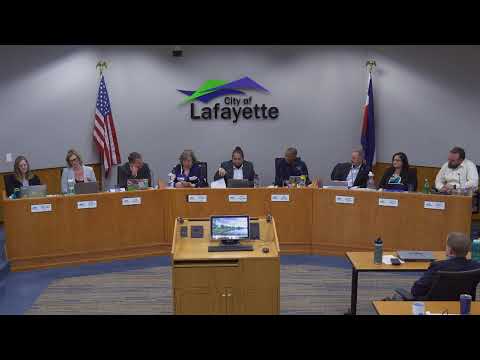
Vote: The motion to approve the ordinance on first reading was moved and seconded and passed unanimously.
Why it matters: The Thomas Farm has been used by tenant farmers since 2006 and serves community agriculture, education and hunger‑relief functions. The council’s action preserves farming use under a lease structure while the city helps offset rising raw‑water costs that would otherwise be a barrier for small, local agricultural operations.
What’s next: The lease comes back for second reading and final approval; staff and the tenant will finalize lease provisions including any negotiated event use, monitoring of water use and compliance with the chemical‑free standard.
Ending: The council’s first‑reading vote keeps the property in agricultural production and maintains public access to farm‑education activities while staff monitors operational and water‑cost outcomes.