Get Full Government Meeting Transcripts, Videos, & Alerts Forever!
Get email alerts on the Traffic Safety topic
No spam. Unsubscribe anytime.
House eliminates compensatory crossing-guard service, moves school-zone penalty structure to fines
Summary
Lawmakers adopted a second substitute to HB178 removing compulsory 'observe a crossing guard' compensatory service and replacing it with fines scaled by speed; the bill passed 69–0 and was sent to the Senate.
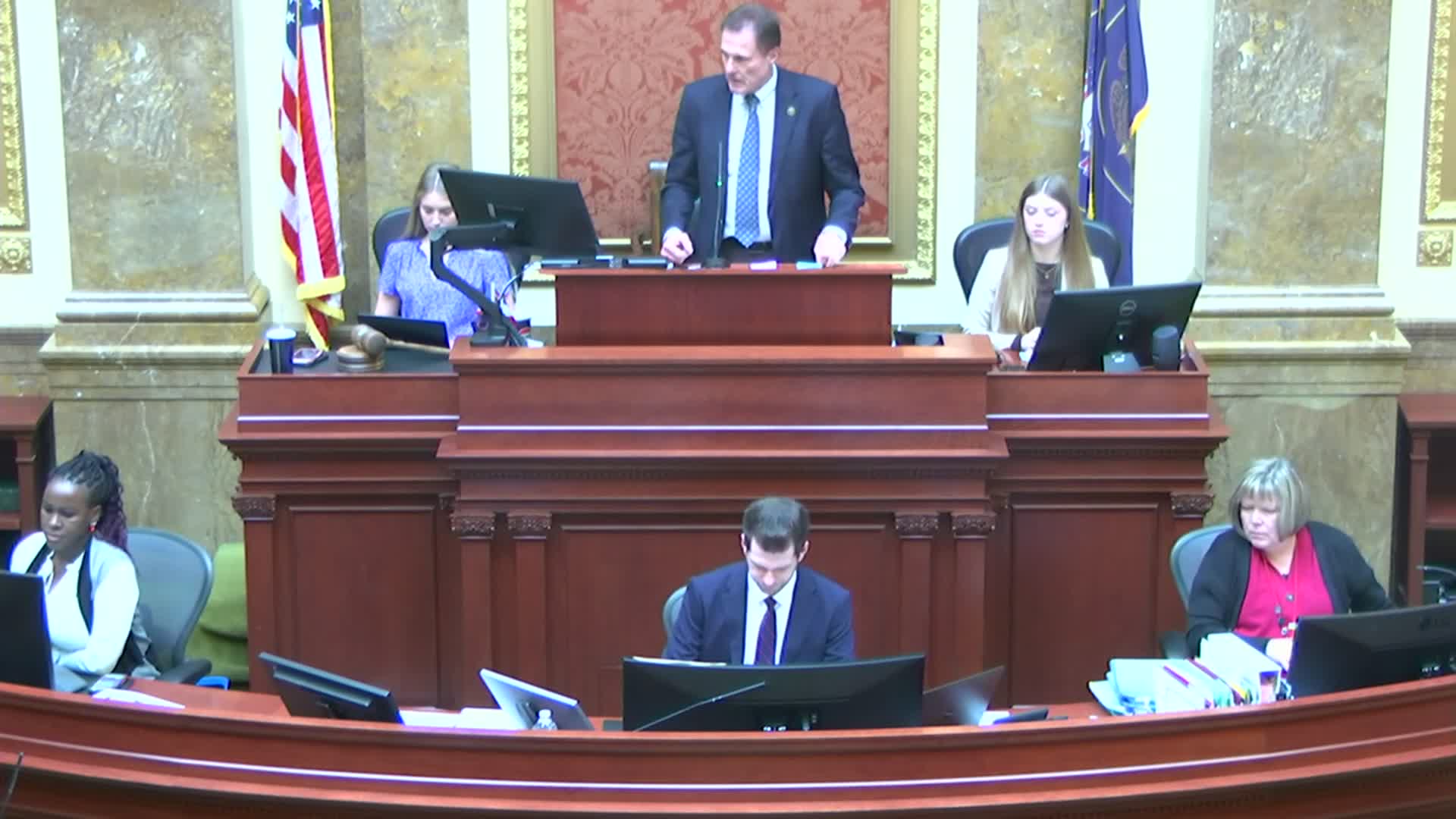
The Utah House on Feb. 4 adopted a second substitute to HB178 that removes the compensatory service requirement that previously could have obligated offenders to "observe a crossing guard," and instead relies on fines (scaled by the amount over the limit) to penalize school-zone speeding.
Representative Moss, who presented the bill, said the compensatory-service approach had created hazards and distracted crossing guards — often young or retired residents — and sometimes required officers to be reassigned to watch the guards. “What it does is changes the current mandatory requirement for observing a school crossing guard as a form of compensatory sentencing to a permissive option,” Moss said.
Representative Peterson offered a second substitute that, as a friendly amendment, removed compensatory service entirely and replaced it with a fines-based structure; Peterson described the substitute as removing a practical nuisance and said it would reduce burdens on police and schools. “We just take that whole compensatory service thing out because it's it's just too difficult to do,” Peterson said while explaining his substitute.
The second substitute was adopted and the bill passed on a 69–0 vote. Sponsors said the measure aims to keep children and crossing guards safer while avoiding the practical problems the compensatory-service requirement caused.
What happens next: The bill will be transmitted to the Senate for further consideration; if enacted, enforcement will proceed under the new fines schedule and any implementing guidance would be administered by local courts and law enforcement.