Get Full Government Meeting Transcripts, Videos, & Alerts Forever!
Get email alerts on the Campaign Signs topic
No spam. Unsubscribe anytime.
Senate debate over political signs centers on disclosure, enforcement and first‑time candidates
Summary
Senators debated House Bill 33, which would set new statewide requirements for political signs — including disclosure of who paid for larger signs and removal timelines — with floor questions focused on visibility, penalties and impacts on first‑time candidates.
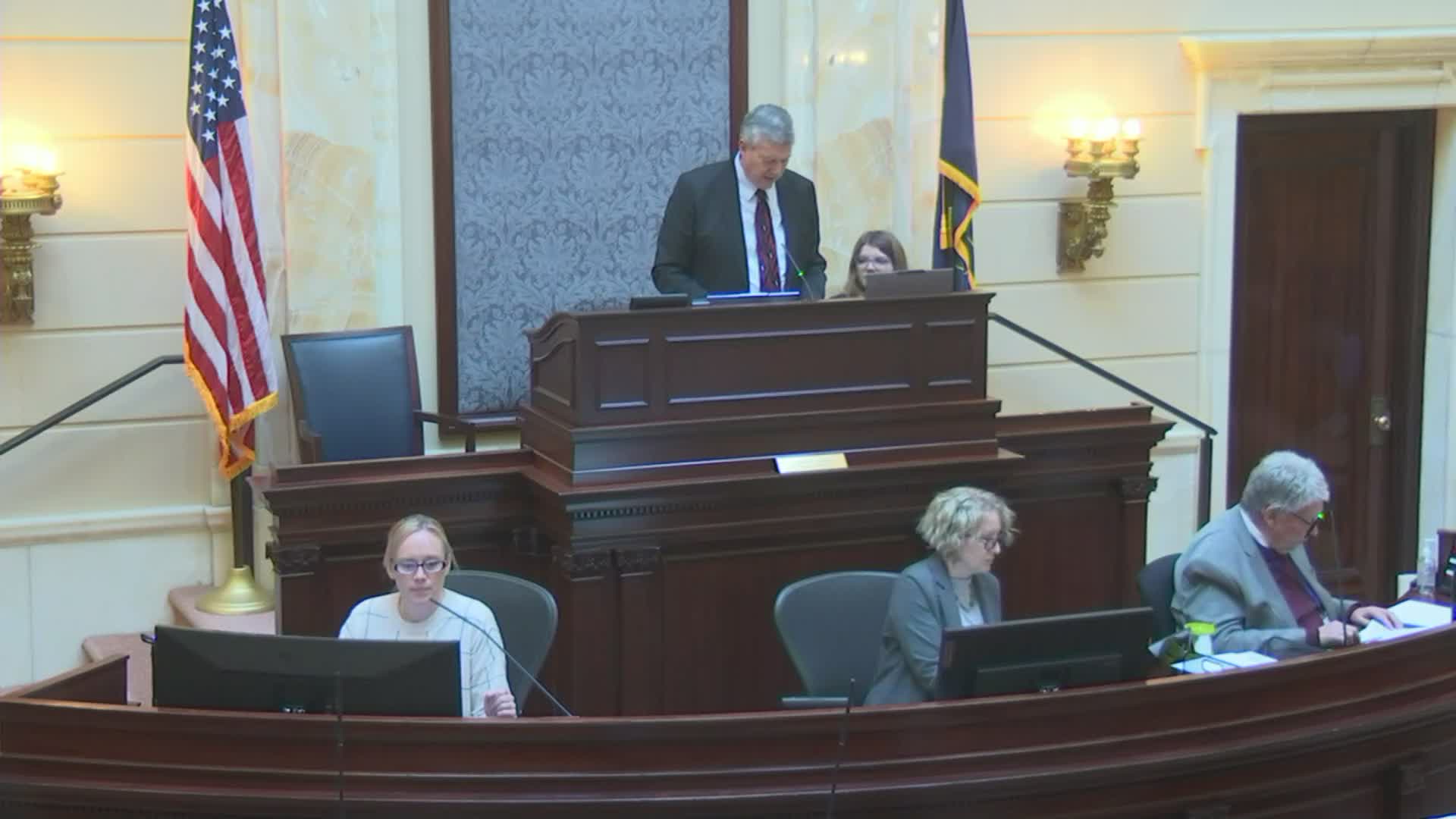
SALT LAKE CITY — The Senate took extended floor time on House Bill 33 on day 16, turning a routine-looking elections cleanup bill into a focused debate about disclosure, enforcement and practical impacts on grassroots campaigns.
Senator Vickers, sponsor of HB 33, described the bill as a set of clarifying rules for political signage that “prohibits obscuring the messaging of a political sign,” bans signs on utility poles and requires disclosure of who paid for a sign that is 24 inches by 18 inches or larger. The bill also requires removal of signs within 14 days after an election and allows municipalities or counties to collect and store violative signs so candidates can retrieve them.
Several senators questioned how the disclosure requirement would work in practice. Senator Kwan asked whether the required disclosure could appear on the back of a sign; Vickers replied that the statute allows the notice to be printed in small type or affixed to the back “if someone standing next to the sign” can determine who paid for it. Senator Riebe and others pressed for clearer language to avoid trapping well‑intentioned, low‑budget, first‑time candidates who may not know complex posting rules.
Senator Wyler asked about penalties and enforcement, noting concern for first‑time candidates and small campaigns. Vickers said implementation of penalties would be left to counties or municipalities and that local governments could set a fee structure for repeat violations; he said the bill’s goal is transparency rather than punishment.
Other senators raised localized issues, including whether landowners who maintain park strips could place signs on those spaces; Senator Brammer said that specific policy questions, such as park‑strip exceptions, could be discussed with the sponsor before third reading.
After discussion and some agreed clarifications, the sponsor moved that HB 33 be read a third time; the clerk reported the bill received 27 yea votes, 0 nays and 2 absent and it was read for a third time.
Senator Vickers told the floor he was willing to work on language before third reading to address ambiguities about placement and to help protect inadvertent violators.
The next formal step is third reading where technical amendments may be offered and the final vote recorded.