Get Full Government Meeting Transcripts, Videos, & Alerts Forever!
Get email alerts on the Judiciary Panel Procedures topic
No spam. Unsubscribe anytime.
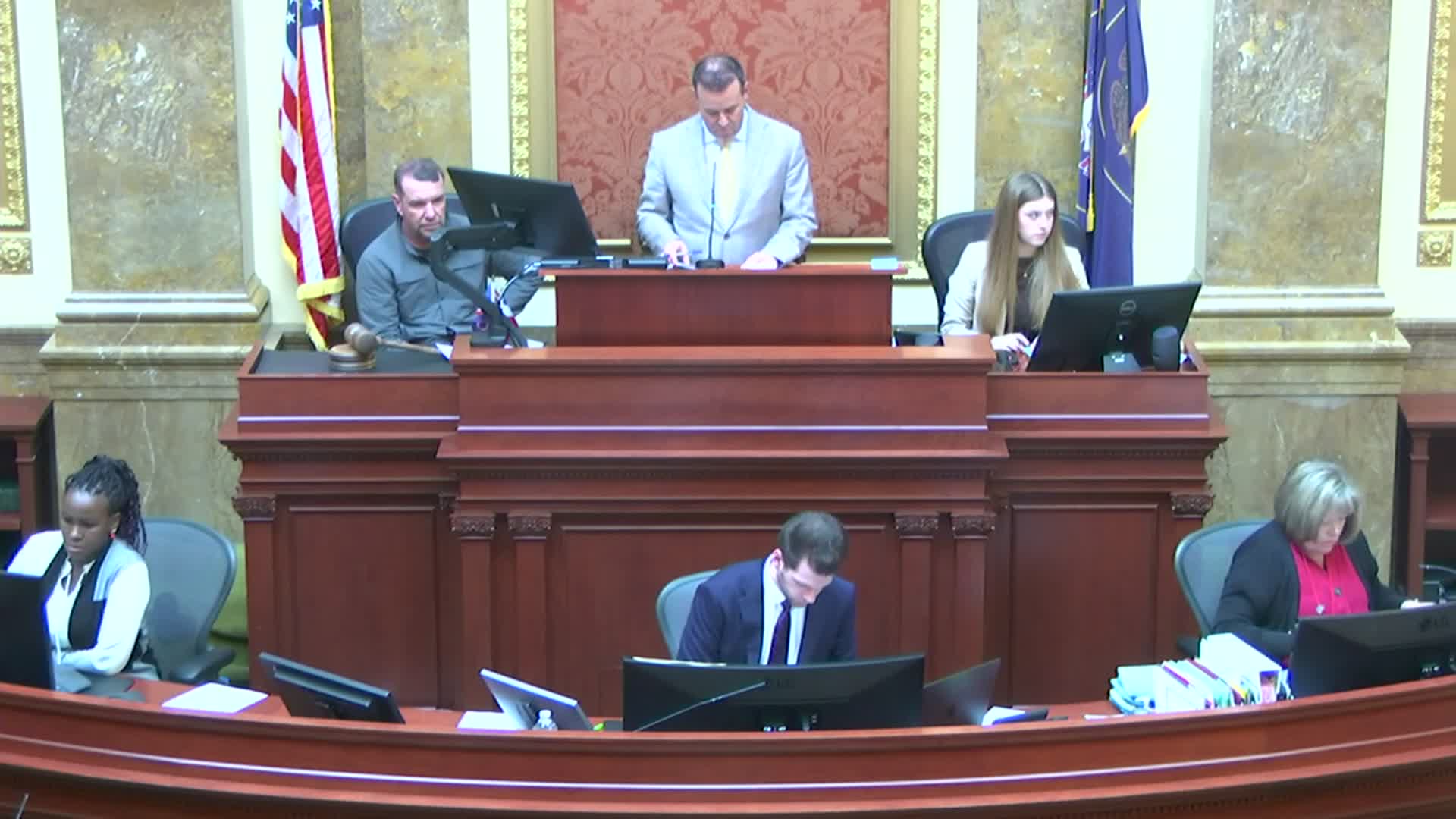
House approves panel-court procedure bill to route certain challenges to three-judge panels
Summary
The Utah House on Feb. 4 passed a second-substitute bill authorizing a process for moving certain constitutional challenges to randomly assembled three-judge panels and directing the Judicial Council to adopt implementing rules; the measure passed 56–15.
The Utah House of Representatives on Feb. 4 approved a second-substitute bill (HB392) that lays out procedures for routing certain lawsuits that seek to enjoin state laws to randomly assembled three-judge panels and asks the Judicial Council to issue rules to implement the change.
Sponsor Representative McPherson, presenting the second substitute, said the measure confirms that the Utah Supreme Court will have jurisdiction over appeals from any such panel and describes how panels would be constructed. “It requires that this panel be assembled truly randomly, and each judge has to come from a separate judicial district,” McPherson said, explaining the bill was revised after discussions with the courts.
Under the bill’s framework, the Judicial Council would identify eligible judges across districts and the parties would retain peremptory challenges; the bill also requires that at least one of three entities—the Legislature, the attorney general or the governor—be a party in any file-to-remove action to the panel. McPherson said the measure removes broader "statewide concern" language from earlier drafts so the statute focuses on injunctions and constitutional facial challenges.
Opponents warned the bill risks encroaching on judicial independence. Representative Owens said, “we're unnecessarily meddling in the business of an independent branch of government,” arguing the change could create the perception that the Legislature is seeking special court treatment for issues it deems important.
Supporters said the three-judge panel brings multiple perspectives and can reduce the impact of a single judge issuing statewide injunctions. Representative Kesher said the approach was intended to add legitimacy: “It's not 1 judge in 1 area of the state making a decision, but it's 3 judges from across the state looking at the same issues and coming to that same decision together.”
The bill also includes language aimed at providing administrative resources, including dedicated clerks and a coordinator to manage panel dockets, the sponsor said. When asked whether pending cases could move to the panel, McPherson said the rule-writing requirement would take effect immediately and that some qualifying pending cases might be moved, but that prior decisions remain part of the case record and the change is not a wholesale "do-over."
After extended floor debate, the House adopted the second substitute and approved HB392 by a 56–15 roll-call vote. The bill will be transmitted to the Utah Senate for further consideration.
What happens next: The measure directs the Judicial Council to adopt rules to operationalize the panel process; if the Senate approves the bill and the governor signs it, the Judicial Council would then promulgate the panel-selection rule described in the bill.