Get Full Government Meeting Transcripts, Videos, & Alerts Forever!
Get email alerts on the Bill Limits topic
No spam. Unsubscribe anytime.
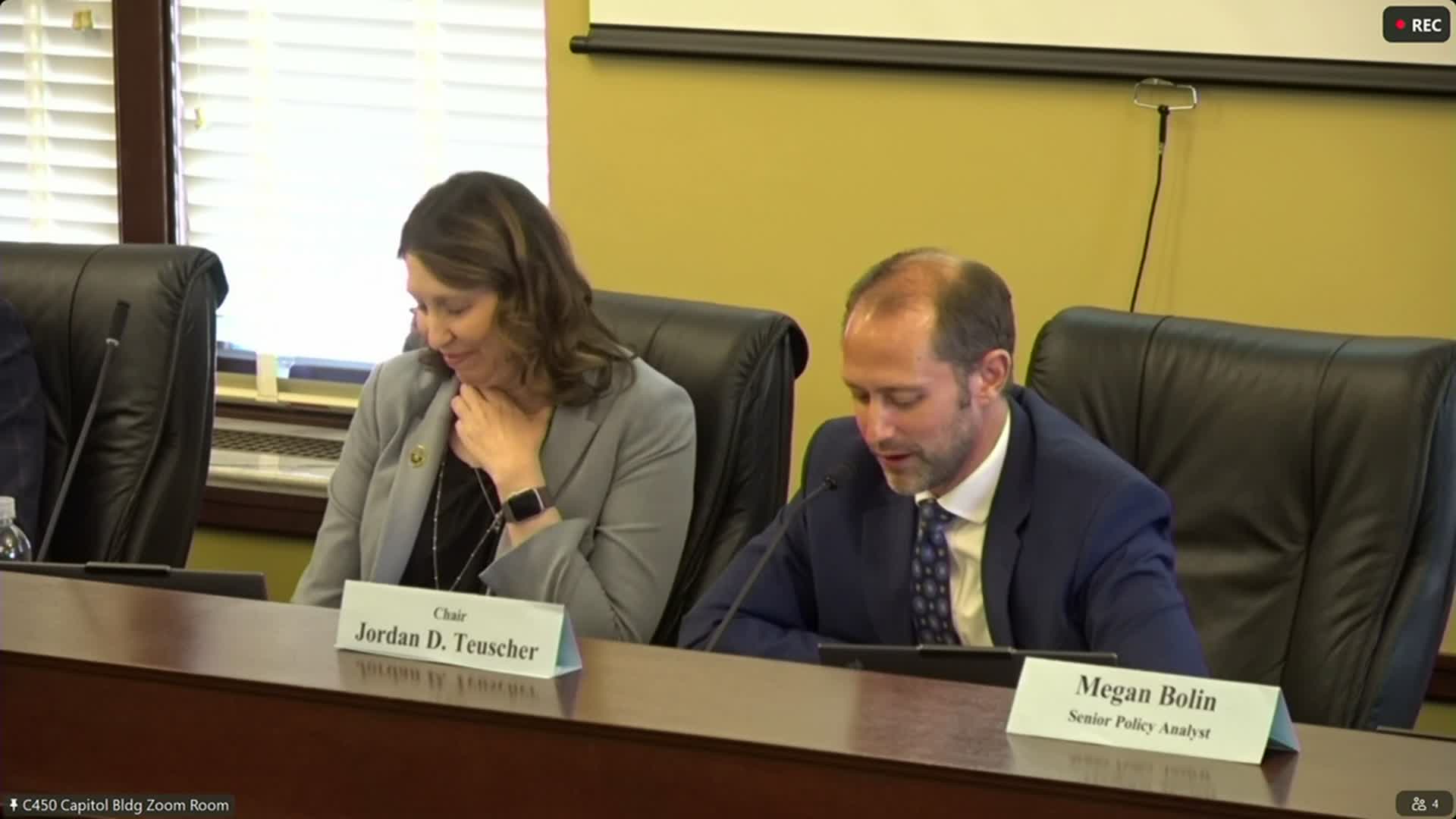
Rules committee holds proposed limits on how many bills a lawmaker may file
Summary
Representative Oakland proposed HJR 19 to cap bill requests per legislator (example draft: six per representative, 10 per senator) to reduce bill volume and drafting costs. Members raised concerns about gaming, omnibus bills, and representation; the committee voted to hold the proposal unanimously.
Representative Oakland presented HJR 19 proposing a numerical cap on the number of bills a legislator may request to be numbered during a session (draft example: six per representative, 10 per senator), arguing the change would reduce drafting costs and encourage restraint.
Oakland said the draft is not intended to block needed legislation but to encourage self‑restraint and avoid an overload of bills the legislature cannot adequately vet. He told the committee he calculated the aggregate target by multiplying per‑member caps across the body and committees to arrive at a goal of roughly 700–750 bills for the session.
Members pressed on whether the rule would be gamed (omnibus or committee bills), whether it would limit opening a bill file versus numbering, and how it would affect constituent representation. Megan Bolen of Legislative Research and General Counsel clarified the draft limits the request for numbering rather than opening a bill file. Senator Todd Weiler, observing from the public bench, said he agreed a problem exists but was unsure this was the right fix and warned against hampering representatives who are responding to constituents.
Representative Burton moved to hold HJR 19 for further work. The committee voted to hold the bill unanimously; sponsors and members agreed on the need for more study and potential adjustments (carve‑outs or higher caps) before advancing any limit.