Get Full Government Meeting Transcripts, Videos, & Alerts Forever!
Get email alerts on the Pesticide Regulation topic
No spam. Unsubscribe anytime.
House passes pest-control licensing bill after floor objections about barriers for small operators
Summary
The House approved SB 26 to create specialty permits and training for ornamental and turf pesticide technicians and increase penalties for violations; opponents warned the permitting scheme could create barriers for small, family operators. SB 26 passed 48–22.
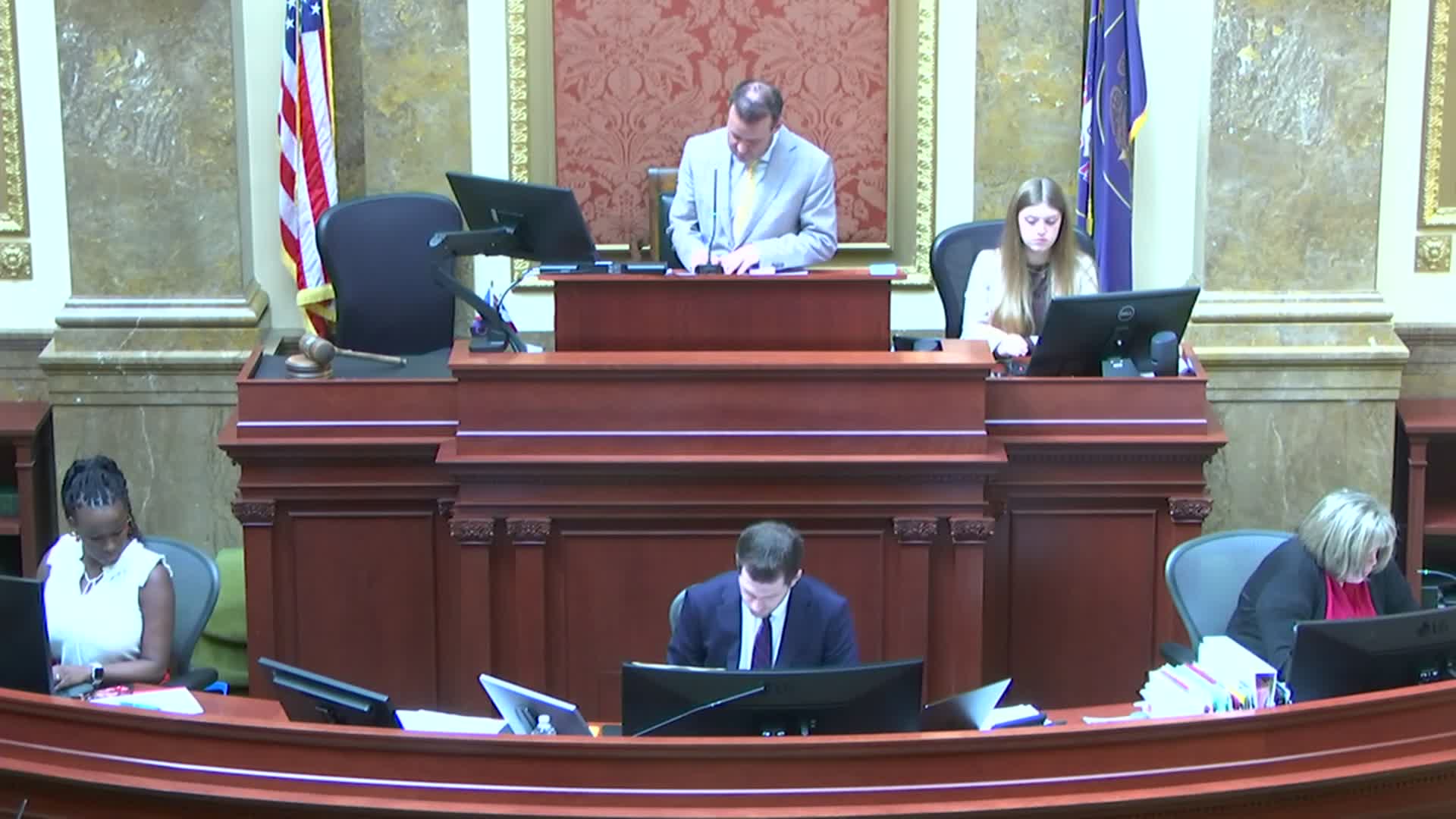
SALT LAKE CITY — The Utah House voted Feb. 3 to pass Senate Bill 26, a set of amendments to the state’s pest-control framework that creates specific permits and training requirements for ornamental and turf technicians, licenses certain herbicide applicators, and increases fines for violations.
Representative Albrecht, sponsor on the floor, said SB 26 addresses noxious-weed challenges and the state’s transition to water-wise landscaping by carving out specialized roles with targeted training. ‘‘It carves out an opportunity to license people who will just be doing herbicide treatments and takes out any barriers for people to enter that,’’ Albrecht said, and described the measure as modernization intended to improve consumer protection.
Representative Peck expressed concern during floor debate that increased permitting and oversight could create barriers to entry for ‘‘mom-and-pop’’ operators and small families that use lawn-spraying work to support a household. ‘‘I feel like this creates a barrier of entry for people to get into one of those jobs that is really helpful,’’ Peck said, and announced opposition on that basis.
After discussion and summation, voting was opened and SB 26 passed the House with 48 yes votes and 22 no votes. The bill will be sent to the Senate for the president’s signature.
Floor remarks focused on consumer protection, training standards, and the tradeoff between public-safety oversight and the regulatory burden on small businesses. The sponsor said the bill increases training and accountability across the pesticide chain from sales to application.