Get Full Government Meeting Transcripts, Videos, & Alerts Forever!
Get email alerts on the Digital Forensics topic
No spam. Unsubscribe anytime.
Utah Senate approves bill to let local agencies reduce RCFL backlog in digital-evidence cases
Summary
The Senate passed first substitute S.B. 19 to let local law enforcement perform or partner for mobile device forensics and reserve the RCFL for more complex devices, aiming to cut a backlog that sponsors said has delayed investigations by up to a year.
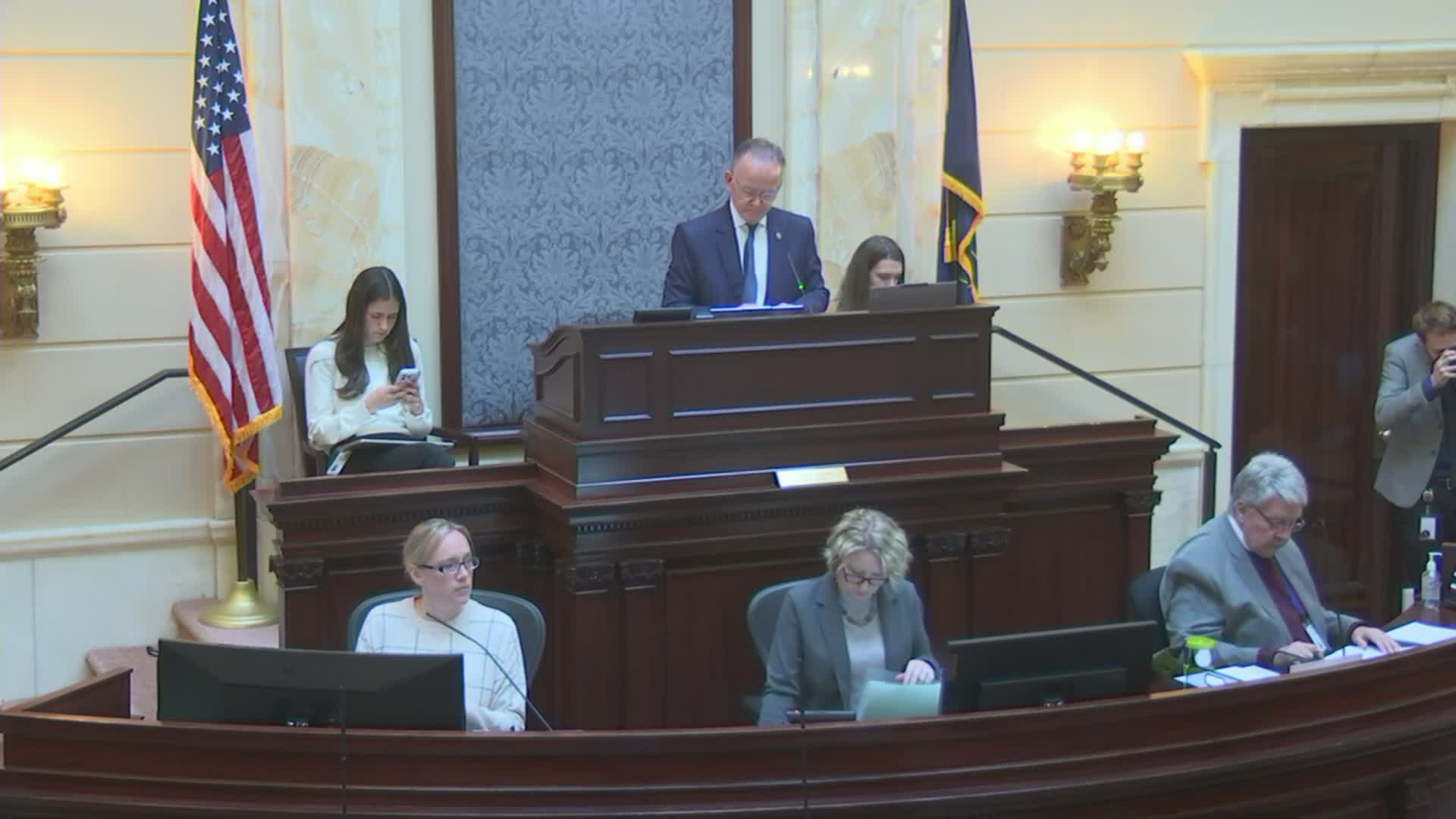
The Utah State Senate on the floor approved first substitute Senate Bill 19, a measure intended to reduce a backlog at the Regional Computer Forensics Laboratory (RCFL) by allowing local law-enforcement agencies to perform or partner for mobile-device forensic work. The bill passed 26–1 with two absent and will be sent to the House for consideration.
Sponsor Senator Wyler introduced the bill as a response to what he described as “a substantial backlog at the RCFL facility” and said the legislation would let local agencies either perform mobile-device forensic work themselves or partner with a regional entity, reserving the RCFL for tablets and laptops that demand more specialized equipment. “There’s been up to a year delay for law enforcement,” Wyler said during the floor explanation.
Wyler told colleagues the bill removes an earlier proposal that would have placed a small fee on municipalities and instead requires local agencies to build in-house capability or partner regionally for mobile-device extractions. When Senator Reby questioned how the change would be funded and raised concerns about increasing local obligations amid rising property taxes, Wyler replied that the RCFL’s funding structure is unchanged and that the intent is to reduce the number of devices sent to the RCFL rather than to create a new statewide cost on cities or counties.
Senator Reby pressed the sponsor on municipal fiscal stress, saying rising property taxes and reduced state revenues mean the measure could shift costs to smaller local governments. Wyler responded that the bill removes a prior per-device fee and that some local agencies already provide comparable services or could partner with neighboring jurisdictions.
The Senate’s roll call recorded 26 yeas and one nay; the motion passed and the bill will move to the House. The sponsor waived summation before the vote. The next procedural step is the House’s consideration of the bill.