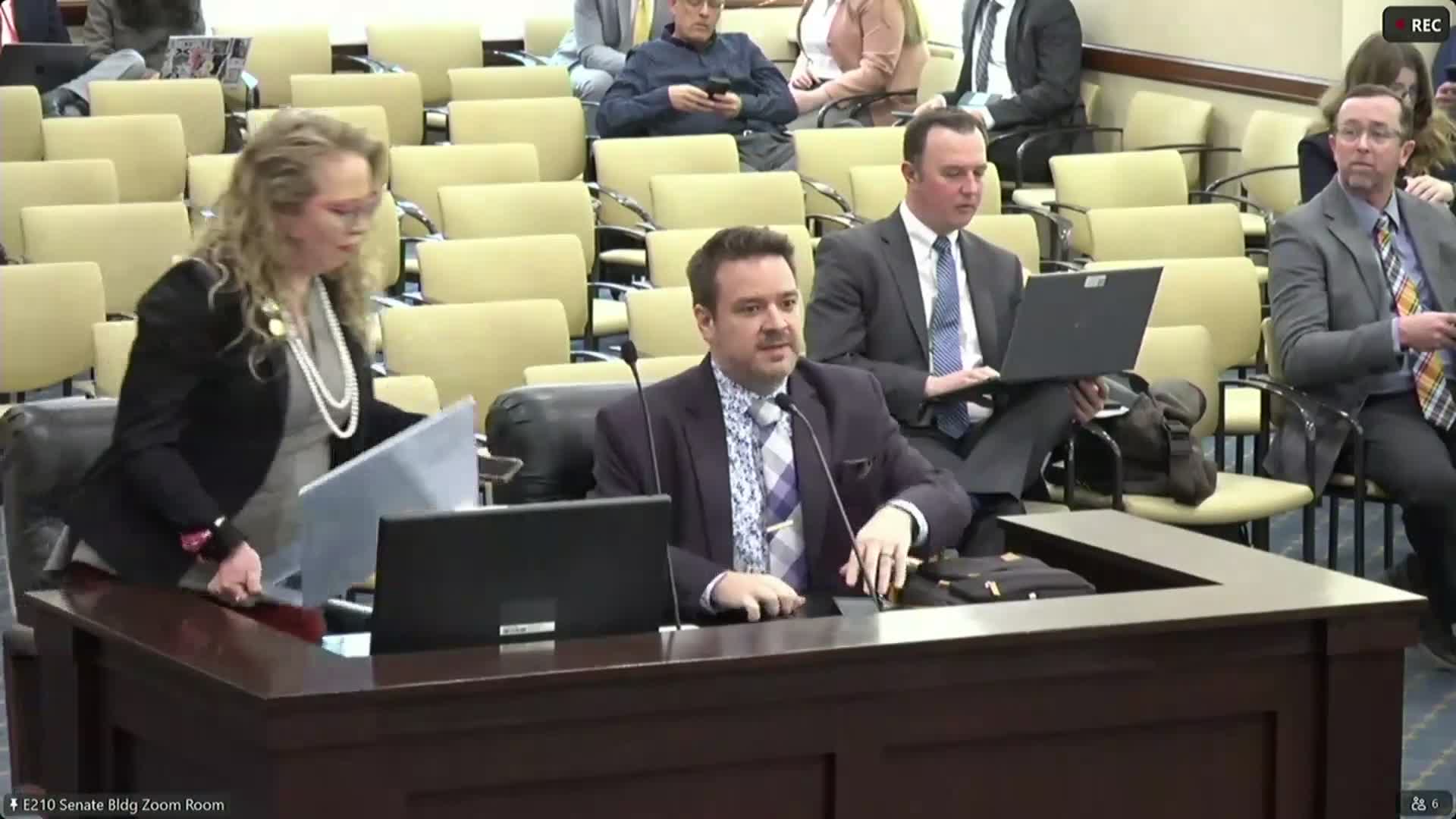
Rep. McPherson pitches autonomous‑vehicle transit pilot to solve first‑/last‑mile gaps
Loading...
Summary
Representative McPherson and lobbyist Crystal Young presented an RFA to fund a scalable autonomous‑vehicle pilot integrating micro‑shuttles and robotaxis with UTA to address first‑/last‑mile transit gaps; the proposal includes a two‑lane structure, year‑1 fleet and infrastructure estimates, and is subject to further regulatory updates to the 2019 framework.
Representative MacPherson introduced an RFA to fund a pilot program and regulatory updates aimed at expanding automated transit options in Utah. The proposal updates a 2019 regulatory framework and seeks to test a scaled autonomous transit fleet in coordination with UTA and private partners.
Crystal Young, who described the program’s technical plan, said the proposal includes two complementary components: lane 1 (public‑operated micro‑shuttles and robo‑taxis managed by UTA to fill first/last‑mile gaps) and lane 2 (a private‑sector regulatory sandbox and incentives for robotaxi deployments). The three‑year pilot envisions an initial year 1 fleet of roughly 30 leased vehicles (10 micro‑shuttles, 20 robo‑taxis), five full‑time employees for operations and planning, and supplemental roadside V2X units and integrations to accelerate performance. Year‑1 costs were presented in a scaleable range—the materials cited scenarios from roughly $750,000 (planning/RFP) up to multimillion‑dollar pilots with suggested allocations of $2M–$10M depending on scale.
Members asked about coordination with UTA (presenters said they have been working closely with UTA), regulatory updates (the 2019 statute has not been updated and the bill was not yet numbered), leasing versus purchase economics, and timelines (presenters targeted operational capability by 2030 with full Olympic‑scale service expected by the mid‑2030s). Supporters framed the pilot as solving mobility gaps for riders who cannot or should not drive, reducing DUIs and fatigue driving, and enhancing first/last‑mile transit access.
What happens next: The RFA is subject to funding decisions by the subcommittee and eventual bill drafting; presenters asked the committee to consider the pilot and regulatory updates during interim work and to coordinate with UTA and private partners.