
Senator warns SB1 would add work and paperwork barriers to Medicaid; advocates say medically frail could lose coverage
Get AI-powered insights, summaries, and transcripts
Subscribe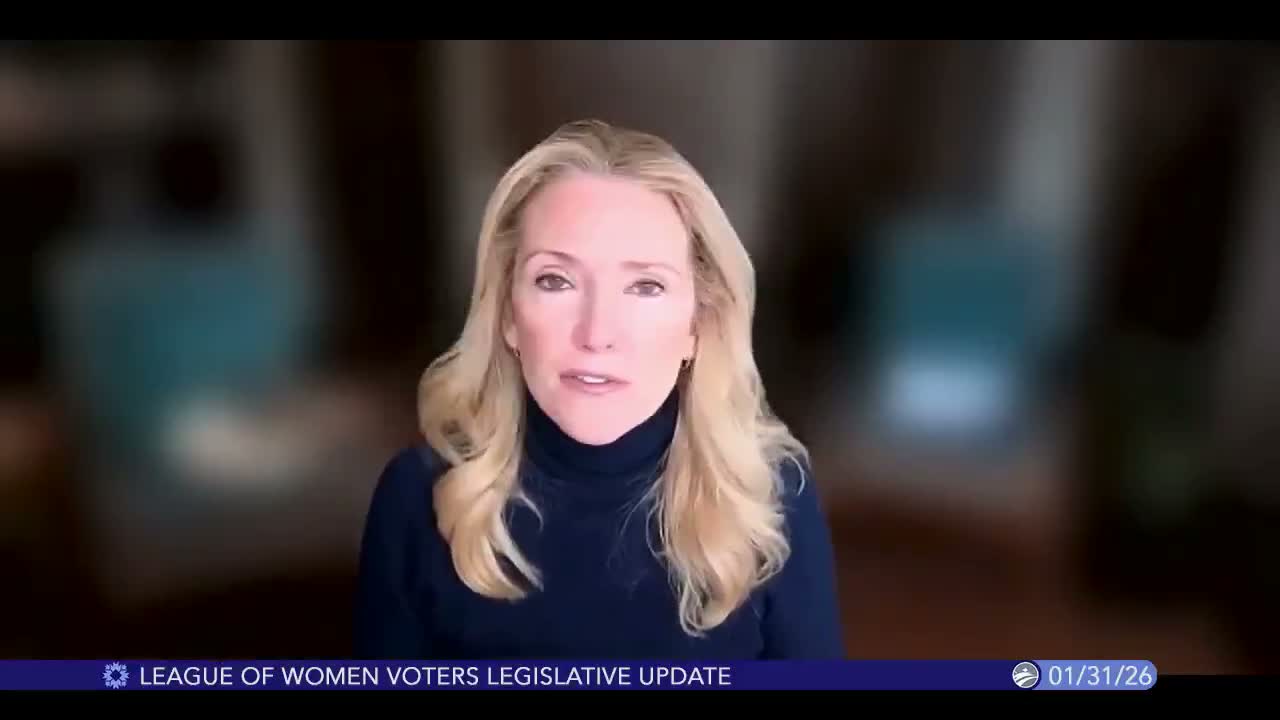
Summary
At a Greater Bloomington Chamber online update, Sen. Shelly Yoder and Rep. Matt Pierce described SB1 as a package of work and eligibility changes that critics say will create paperwork barriers, citing an 80-hour work test and risk of wrongful removals from Medicaid and SNAP.
During the chamber’s online legislative update, Senator Shelly Yoder criticized Senate Bill 1, saying the measure would add work and administrative requirements that could reduce Medicaid and SNAP access. "If someone is medically frail, most likely, they are not going to be able to show that they have worked those hours," Yoder said, describing a proposed 80-hour work test and the removal of self-attestation for medically frail applicants.
Representative Matt Pierce said the bill treats administrative burdens as a cost‑cutting tool rather than a clinical test of eligibility. "There’s nothing in the bill that requires the cost savings… actually onto the homeowner," Pierce said in a broader discussion of affordability bills; on SB1 specifically he warned that extra paperwork can ‘‘throw people off the program just because the paperwork is not getting processed or they don't remember to meet a deadline.’’
Both legislators said SB1 moved quickly into appropriations rather than health committee, limiting opportunities for amendments. Yoder said proponents framed the change as reducing fraud and spending, while opponents say the problem addressed—unauthorized benefits—is already illegal and not the driver of program costs.
Attendees raised practical concerns. Katrina, a retired county caseworker, asked how "medically frail" would be defined and how someone with disabilities could meet an 80‑hour work requirement; Yoder called the bill “egregious” on that point and said parts of it need study and amendment. Representative Pierce warned that removing benefits often raises short‑term administrative savings but long‑term costs when people delay care and later require emergency services.
Next steps: SB1 has passed parts of the senate and is under consideration in the house. Both speakers urged residents to contact their house legislators if they want to press for amendments or further study.