
Scranton residents praise DPW workers but press council for answers after major snowstorm
Get AI-powered insights, summaries, and transcripts
Sign Up Free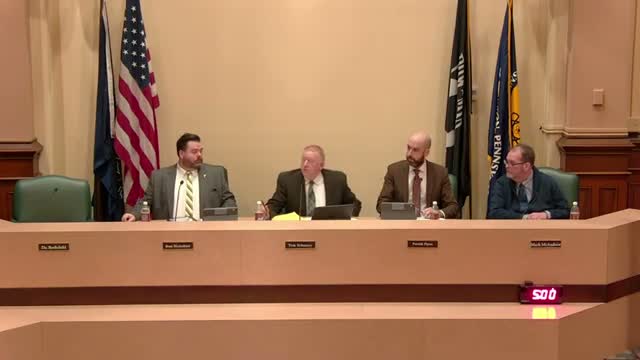
Summary
Residents and council members commended Department of Public Works crews for their effort during a heavy storm but pressed the administration for operational details, a post-storm report and clearer priorities after uneven neighborhood coverage and questions about contractor deployment.
Residents, public commenters and council members used the Scranton City Council meeting to praise Department of Public Works crews while pressing city administrators for detailed explanations of their storm response and plans for improvement.
Joan Hodowanitz, a Scranton resident, thanked DPW staff for their work during a recent storm and said crews “earn every penny they made this past 2 days, in my opinion.” Several other residents told the council that some neighborhoods were left with minimal plowing and that repeated plow passes sometimes buried driveways and cul‑de‑sacs.
Pat Flynn, identified in the meeting as chair of the Committee on Public Works, thanked DPW employees “who work long hours, often overnight in dangerous conditions,” but said service varied sharply across the city. Flynn asked the administration for operational details including “how many plow trucks were on the road; what areas were the trucks sent to; how many trucks are dedicated to each neighborhood; were there any routes not covered; do we pretreat the roads with salt; and how many private contractors were used and what were the routes they were given.”
Virgil Argenta, a resident during public comment, criticized the mayor’s office for what he called a pattern of neglect that left streets hazardous and said the city should publish its snow removal policy and procedures. Argenta asked how residents and first responders would be protected if unsafe streets persist and urged more transparency about the administration’s planning and resource decisions.
Council members said they had received numerous constituent complaints and photographs showing impassable roads and blocked bus routes. Councilman Sean McAndrew requested a post‑storm report outlining what the city did well, what did not work and what will change before the next storm. McAndrew also requested consolidated ARPA records and other documentation that he said would help identify whether budget and staffing choices affected response capability.
City administration said it would follow up with answers on vehicle counts, equipment status and salt purchases and would press departments to post up‑to‑date collective bargaining agreements on the city website. Officials also promised to check specific resident complaints (for example, cul‑de‑sac plowing in Tracy Lane and unresolved potholes at 725 Factory Place) and to provide a post‑storm briefing to council.
What happens next: Council members requested a written post‑storm report and specific operational data (plow counts, routes and contractor assignments) ahead of a forecasted additional storm. The administration said it would provide the requested follow‑up information to the council.