Get Full Government Meeting Transcripts, Videos, & Alerts Forever!
Get email alerts on the Open Meetings topic
No spam. Unsubscribe anytime.
Box Elder planning commission reviews South Dakota open meetings requirements
Summary
An attorney reviewed the state nnual open-meetings briefing and highlighted when gatherings, executive sessions and email exchanges can trigger the law; commissioners asked about email consensus, walking quorums and the attorney general—rochure.
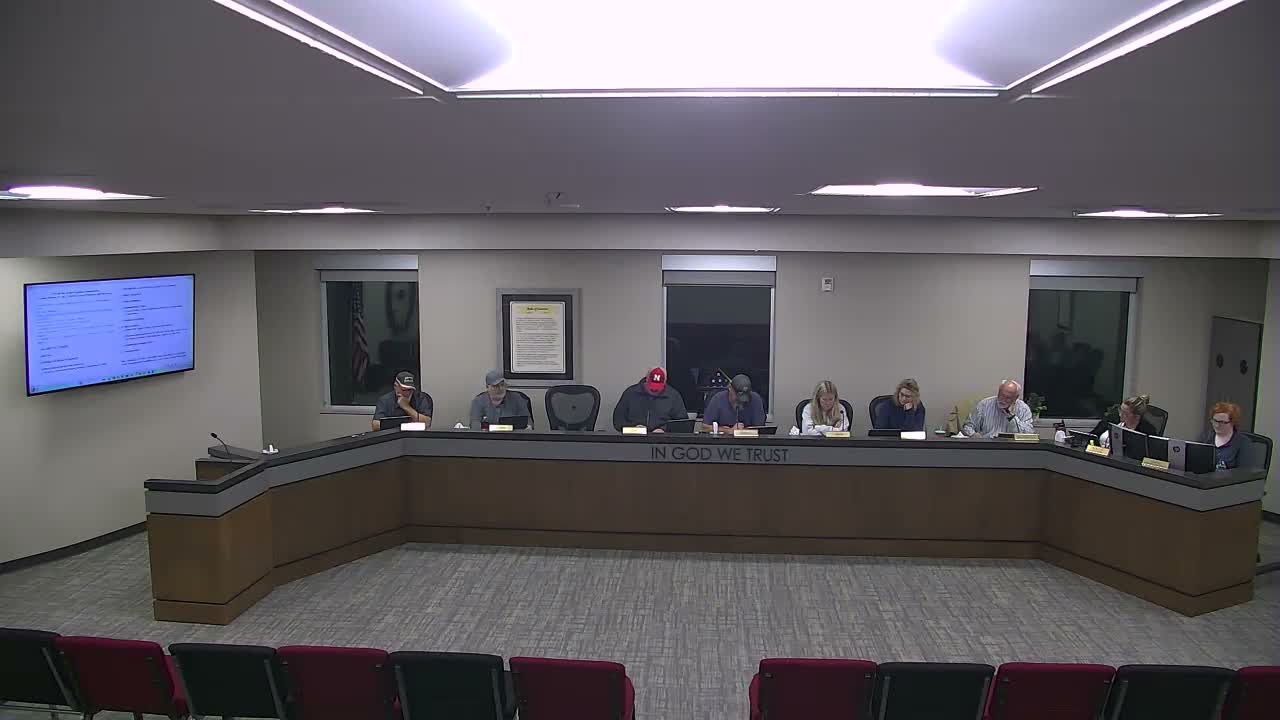
Matt Noss, an attorney, reviewed South Dakota nnual open-meetings guidance and key statutory points during the City of Box Elder Planning Commission—usiness meeting on Oct. 4, 2025. The presentation covered criteria for an "official meeting," statutory reasons for executive session, timing for finalizing agendas, and constraints on communications among a quorum of members.
Noss told commissioners the law identified a meeting as any gathering where a quorum of the public body is present and city business is discussed. "It should have been officially noticed and the public should have been authorized to attend and provide public comment," he said, describing a past state court decision that treated a quorum—onversation at a social event as an official meeting.
Why this matters: The statute (referenced in the packet as SDCL 1-25-13) and the attorney general—rochure distributed to the commission require annual review and aim to ensure transparency. Noss emphasized that even seemingly casual contacts among a quorum can create appearance problems and, in some cases, a legal violation if city business is discussed outside a properly noticed public meeting.
During questions, commissioners focused on electronic communications and so-called "walking quorums." One commissioner said attempts to build consensus by text or email seemed indistinguishable from a public meeting; Noss agreed, noting that back-and-forth messages among a quorum can constitute an impermissible meeting. He also cautioned that even social events where a quorum attends can raise the appearance of conducting public business out of the public eye.
Noss also reviewed agenda procedures, noting the attorney general's answer that agendas should be finalized at least 24 hours before a meeting but that, practically, items may be added or removed during the meeting when members approve an amended order of business. He described executive-session categories (personnel, legal, contracts, etc.) and encouraged commissioners to consult the packet's statutory list before closing a meeting.
The presentation concluded with the attorney offering to answer follow-up questions by phone or email. The commission recorded in the meeting minutes that the annual review of the attorney general's explanation had been completed.