White County officials weigh options for $1M-a-year sales-tax referendum and how to spend proceeds
Loading...
Summary
County staff estimated a potential $1,000,000 in annual revenue from a proposed local sales-tax referendum; commissioners spent a work session debating whether most proceeds should reduce property tax or fund roads, fire services, an animal shelter, employee COLA and other priorities while noting legal and revenue risks for schools.
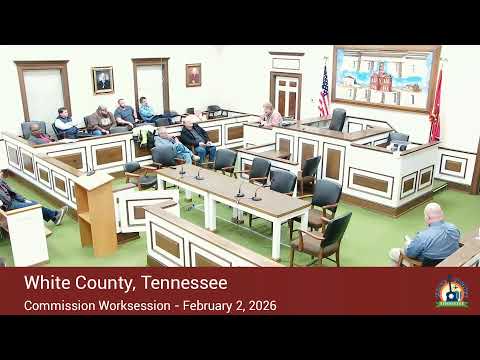
White County commissioners convened a work session to discuss a proposed sales-tax referendum that staff estimated would generate "roughly about 1000000 dollars annually," Director Markham told the group. Markham cautioned that sales tax is volatile and that state maintenance-of-effort rules mean roughly half of any penny would initially go to the school system.
The conversation centered on how to present a plan to voters and how to use the net revenue. Commissioners broadly identified four recurring priorities: property-tax reduction, road maintenance, emergency services (including fire-truck replacement and equipment), and animal-control/shelter needs. Several members said a large share should revert to property-tax relief so voters understand a direct benefit; one commissioner said, "I feel like at least half of it needs to be reverted to property tax decrease." Others argued the county should reserve funds for capital needs the existing budget cannot absorb.
Discussion highlighted trade-offs and legal constraints. Markham explained the maintenance-of-effort framework for schools and warned that relying on a volatile sales-tax stream to replace steady property-tax revenue can create future shortfalls. "You just have to be cautious in doing so," he said, noting state-level proposals in recent years sought to require counties to backfill school shortfalls but had not become law.
Commissioners debated concrete allocations and timeline. Ideas included dedicating a majority of receipts to reduce property-tax pennies (for example, proposals discussed ranged from a few pennies up toward five), creating a dedicated reserve for road and emergency-service capital projects, and matching funds for state park investments. Several members urged the budget committee to draft a concise revenue-allocation statement before the next public outreach so voters know how money would be used.
No final allocation was adopted during the work session. Instead, the commission directed staff and the budget committee to develop a resolution and a detailed fiscal plan to present at the March budget meeting that could be shared publicly before ballots are printed and early voting begins.
Next steps: staff will refine revenue projections and prepare budget-resolution language for the March budget committee meeting so commissioners can present a clear, unified proposal to the public.